



Our Lenten journey starts tomorrow, Ash Wednesday, when we are marked with ashes. This symbolic gesture, a sign of penance, is deeply biblical. In the days of Jonah, when the people of Nineveh proclaimed a fast and sat in ashes as a sign of repentance (Cf. Jonah 3:5-9). The ashes we receive remind us of two things: First, that we are dust and unto dust we shall return; and second, that the Sign of the Cross the priest makes on our foreheads signifies that although we are sinners, we have a saviour.
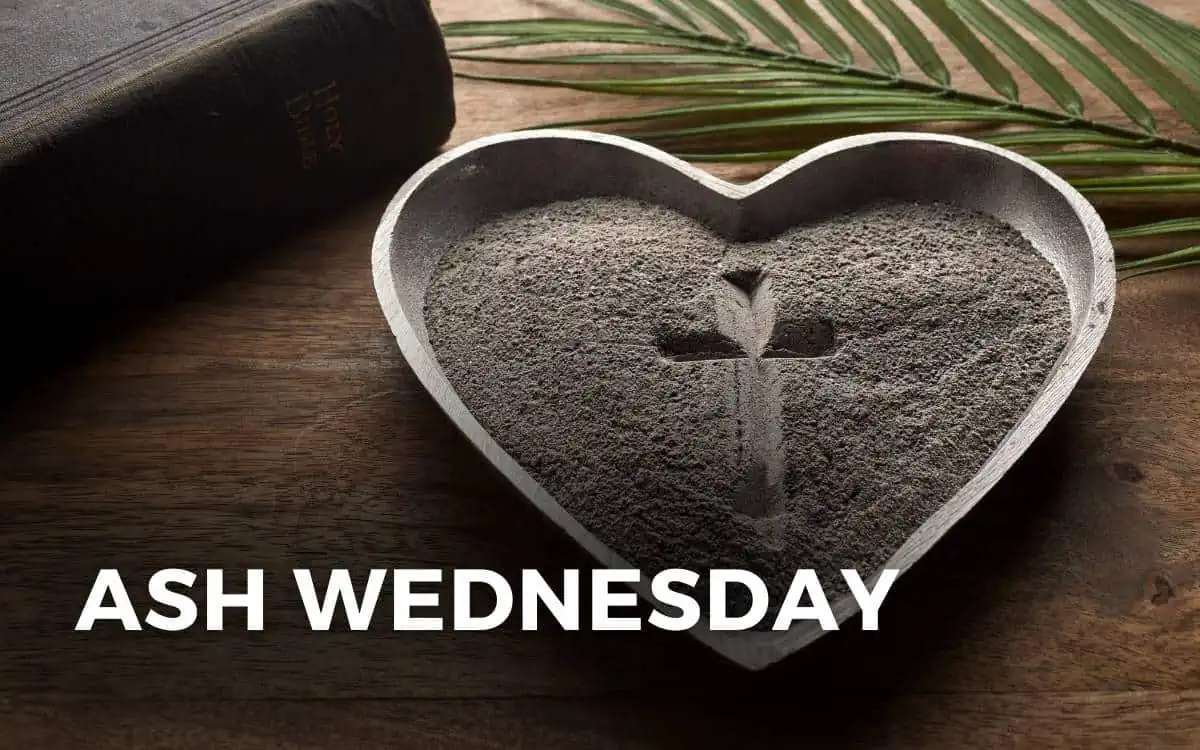
Repent and believe in the Gospel/Remember that you are dust and to dust you shall return. Credit: Cnyepiscopal.org
The traditional Lenten observances – prayer, fasting and almsgiving are appropriate spiritual recipes for this Holy Season. Like Moses and Jesus, who fasted for forty days and forty nights (Cf. Exodus 34:28 & Matthew 4:1-11), we immerse ourselves in spiritual realities that prepare us to fight the ancient enemy.
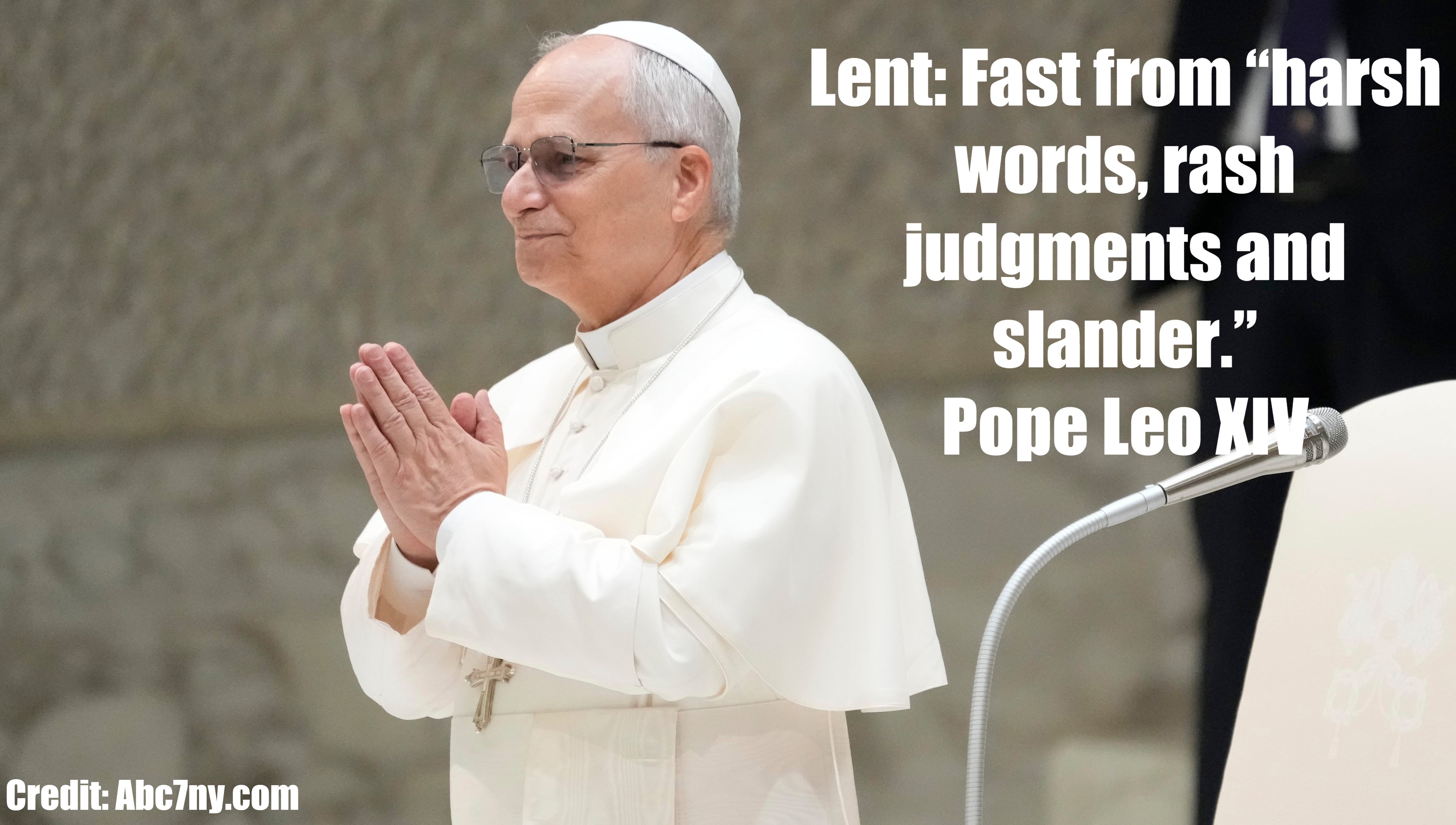
In his Lenten message, Pope Leo XIV invites Christians to fast from “harsh words and rash judgments,” including “slander.” Instead, he charges all to use words that reflect the communal dimension of Lent – kindness, hope and peace.
“Like Moses and Jesus, who fasted for forty days and forty nights (Cf. Exodus 34:28 & Matthew 4:1-11), we immerse ourselves in spiritual realities that prepare us to fight the ancient enemy.”
The Via Dolorosa
The Via Dolorosa, which depicts the paschal mysteries, became a rehearsal for the events that would unfold in the Holy Week, which begins on Passion Sunday and recalls the triumphant entry of Jesus into Jerusalem amid wild acclamation of Hassana to the Son of David (Cf. Matthew 21:1-11).
Our Lord, who rode on a donkey, typical of the modern-day glitz and glamour of the Hollywood red carpet a few days ago, would be shocked on Spy Wednesday when led by one from among his inner circle, Judas, with a kiss of death. But before his arrest, he gave his disciples the Eucharist at the Last Supper.
Pope Leo XIV invites Christians to fast from words that “wound,” such as “harsh words and rash judgments,” including “slander.”
By offering bread and wine and washing his disciples’ feet, he left us an everlasting memorial of his passion encapsulated in the words “Do this in memory of me” (Luke 22:19). With the sacrament of the Holy Eucharist occasioned by the Sacrament of Holy Orders, which he instituted, the Church celebrates the Mass of Chrism where the oils of Chrism, anointing of the sick and Catechumen are blessed for use throughout the liturgical year.
The prayerful sigh at the Garden of Gethsemane led to his shameful arrest and unwarranted persecution like a brigand (Cf. Luke 22:39-46) calls for sober reflection. The two liturgies of Good Friday and Holy Saturday are cardinal celebrations of the paschal event. Though innocent, he takes the place of Barabbas, a criminal (Cf. Matthew 27:16-26; Acts 3:14) and is crucified between two thieves (Cf. Luke 23:32-43).
“By offering bread and wine and washing his disciples’ feet, he left us an everlasting memorial of his passion encapsulated in the words ‘Do this in memory of me’ (Luke 22:19).”
With historic extras such as Simon who helps him carry his cross, the kind-hearted Veronica who rushes to wipe his face, the women of Jerusalem who mourned for him, the Virgin Mary who meets her Son as he carries his Cross, the brave-hearted Joseph of Arimathea who went to the soldiers to beg for Jesus to have a decent burial, St. John who received instruction at the foot of the Cross to care for Mary and the centurion who said, “Indeed, he was truly the Son of God, the Passion Narratives (Cf. Matthew 26:17-27.66 or Matthew 27:11-54; Mark 14:1-15 or Mark 15:1-39 [40-47]; Luke 22:14-23.56 or Luke 23:1-49 & John 18:1-19.42) come alive with the effects of Calvary in place.

Credit: Mk.co.kr
Easter Hope, Joy of the Kingdom
At Lent, Christians are soaked in the Paschal Mysteries that Holy Week recalls and Easter celebrates. Currently, there is a thin line between the Jesus of history and the Jesus of faith. From his uncanny incarnation, Jesus appeared as a prodigious child destined to suffer (Cf. Luke 24:46). This is indicative in the flight to Egypt (Cf. Matthew 2:13-23) and the prophecy of Simeon, “A sword will pierce your own soul too so that the secret thoughts of many may be laid bare” (Cf. Luke 2:35). Anna, the prophetess would add her voice to this wonder-child who would later dazzle religious leaders in the temple with answers that surpassed his age (Cf. Luke 2:41-52).
“This holy season chastises us from our sins, allowing us to build our heavenly bank accounts with fasting, prayer, and almsgiving.”
In conclusion, we cannot reflect on the Pascal Mysteries in isolation. These mysteries encapsulate the life, the death and the resurrection of Jesus, the Son of God, the Son of Mary, our Saviour and our brother and friend. This holy season chastises us from our sins, allowing us to build our heavenly bank accounts with fasting, prayer, and almsgiving. Ultimately, it celebrates Jesus’ victory over sin and death, inviting the faithful to the eschatological feast in the kingdom of light, refreshment and peace where Lazarus is no longer poor!