




Following recent legislation that introduced significant reforms—such as making manual collation the primary legal standard in Nigeria’s electoral framework ahead of the 2027 general elections—various stakeholders, including prominent religious leaders, like the Catholic Bishop of Yola Diocese, have expressed their opposition.
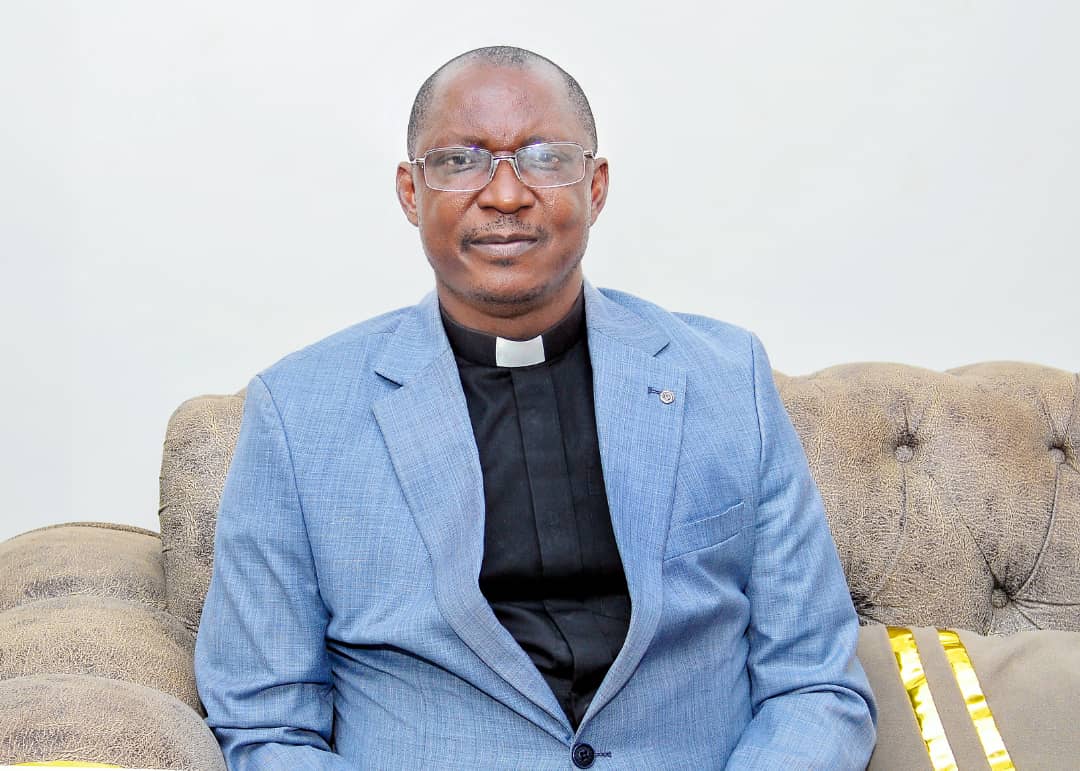
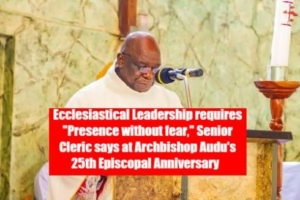
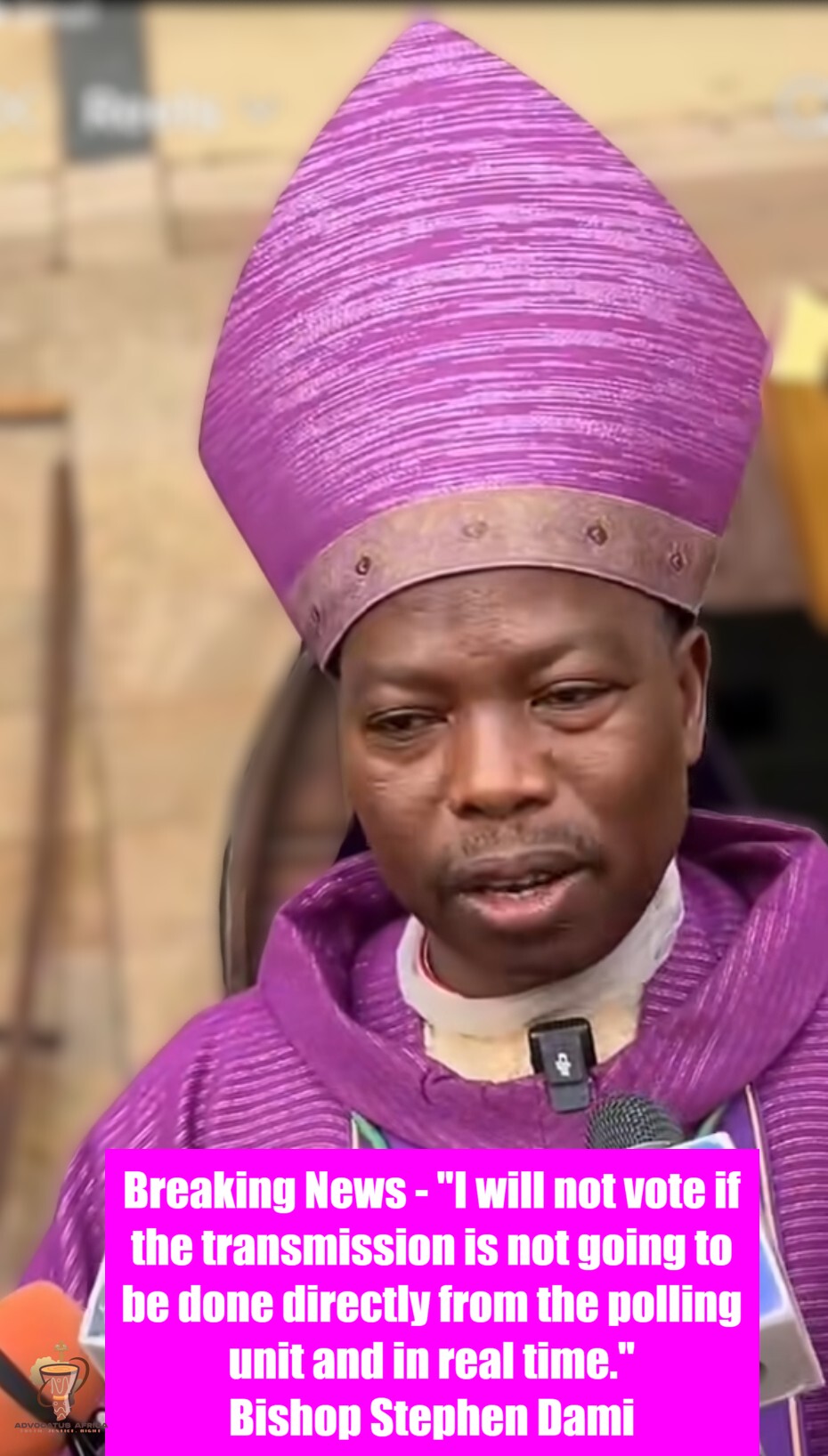
On 19 February, after Ash Wednesday Mass at St. Theresa’s Cathedral, the Catholic Bishop of Yola Diocese in northeastern Nigeria, Most Rev. Dr. Stephen Mamza Dami, firmly rejected the bill, stating that he would discourage people from participating in the elections.
“What are they [Legislators] afraid of?”
“The results will not be transmitted in real time from the polling unit? I will not waste my time to go and vote. I will not!” Dami declared.
The Prelate reiterated, “I will also discourage people from going to vote,” asking, “What are they [Legislators] afraid of?”
The vocal Bishop, known for advocacy and care of the poor, urged the legislature and the executive to “do what the people want.”
Meanwhile, the new law includes several critical amendments aimed at enhancing transparency and reducing electoral malpractice.
Some Significant Changes in the Electoral Act
The Act retained the 2022 framework, making electronic transmission of results to the Independent National Electoral Commission (INEC) IReV’s portal optional rather than mandatory.
This means that rather than making Electronic Transmission of Results mandatory, manual collation remains the primary legal standard.
It introduces stiffer penalties for malpractice, which indicate that returning officers who declare false election results now face a 5-year jail term, while failure to record results in the prescribed form can lead to a 10-year jail term.
The regulation sets limits on party nomination fees to prevent arbitrary pricing, including setting maximum caps on nomination fees for political aspirants – Presidential: ₦10 million, Governorship: ₦5 million, Senatorial: ₦2 million, House of Representatives: ₦1 million, and State House of Assembly: ₦500,000.
The Act sets INEC’s operational independence, reinforcing the commission’s authority over its personnel and logistics deployment without external interference.
As voter Identification, the requirement for a physical Permanent Voter’s Card (PVC) remains mandatory for accreditation, as lawmakers rejected proposals for downloadable or QR-code-based voter IDs.
The legislation also includes revised qualifications for commissioners and a new process for recalling Members of Parliament.
This 2026 update follows the landmark Electoral Act 2022, signed on February 25, 2022, by former President Muhammadu Buhari.
That version was famously delayed due to a contentious clause mandating “direct primaries” for all political parties, which was eventually modified to allow for direct, indirect, and consensus options before receiving presidential assent.
Bishop Dami’s reactions came at the heels of the recent enactment of the Electoral Act (Amendment) Bill 2026, which was signed into law by President Bola Tinubu on February 18, 2026.
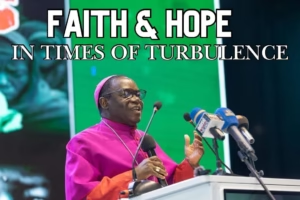
Bishop Dami’s Heroic Advocacy
The cleric, President of the Justice, Peace and Development Commission (JPDC) for SECAM, recently called for solidarity during a visit to the Catholic Bishops of the USA.
Renowned for his humanitarian work, particularly in peacebuilding and interreligious dialogue in the Northeast, he advocates on global platforms like the International Religious Freedom Summit to address security and economic challenges in Nigeria.
Formerly the Chairman of the Christian Association of Nigeria in Adamawa State, he is actively involved in interfaith initiatives, including building a mosque for Muslim Internally Displaced Persons (IDPs) in Girei Local Government Area. His humanitarian efforts focus on responding to the Boko Haram crisis by supporting the feeding and education of IDPs and rebuilding their homes.