








- Lack of extended debate and chaos arising from Clause-by-Clause review
- Electronic transmission and manual collation of results triggered the crisis
- Growing Tensions Loom in the Green Chamber and across the country
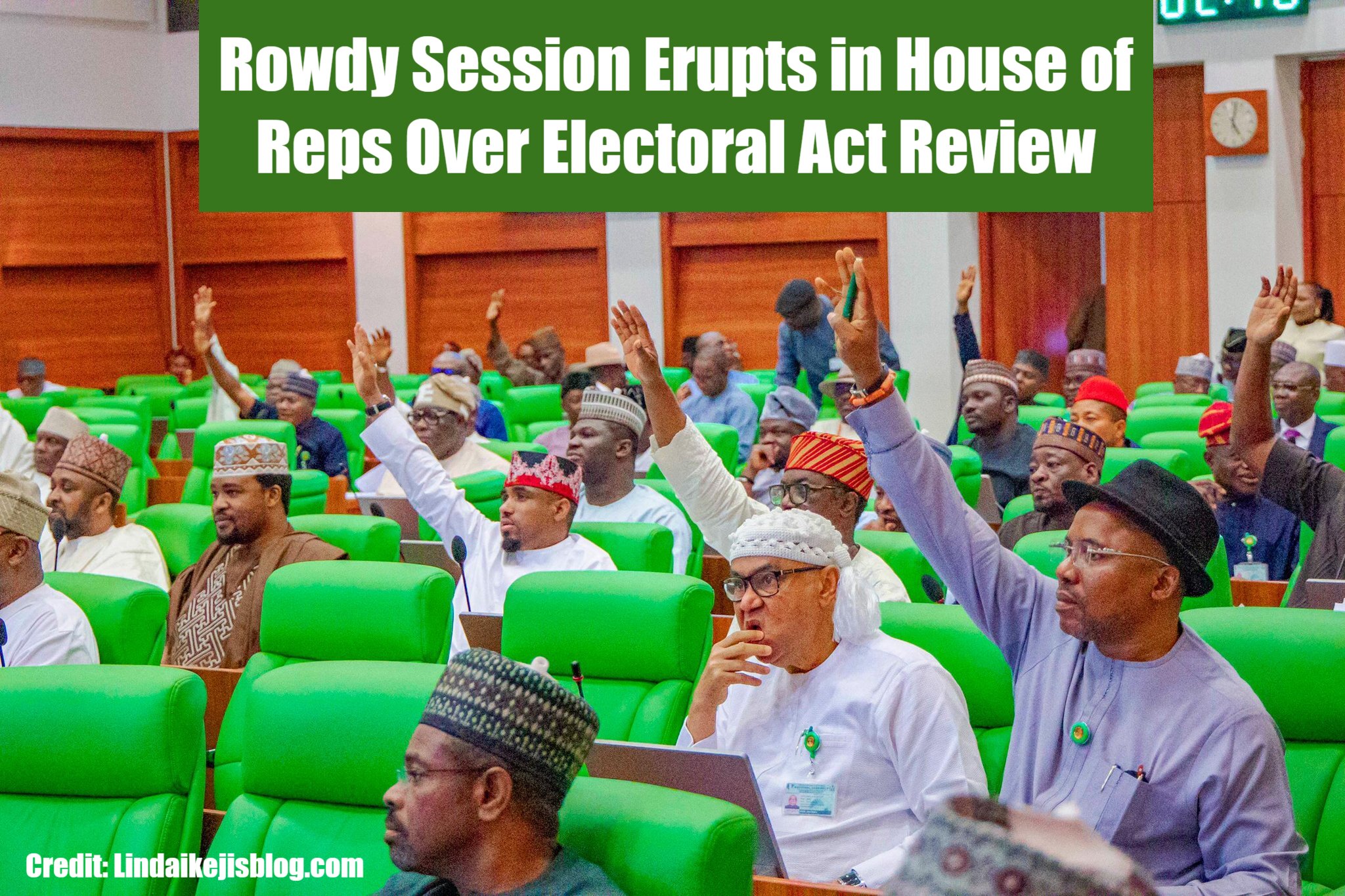
A rowdy session erupted Thursday, 17 February 2026, during the House of Representatives deliberations on the Electoral Reform Bill, deepening the political crisis surrounding recent amendments to the electronic transmission of election results.
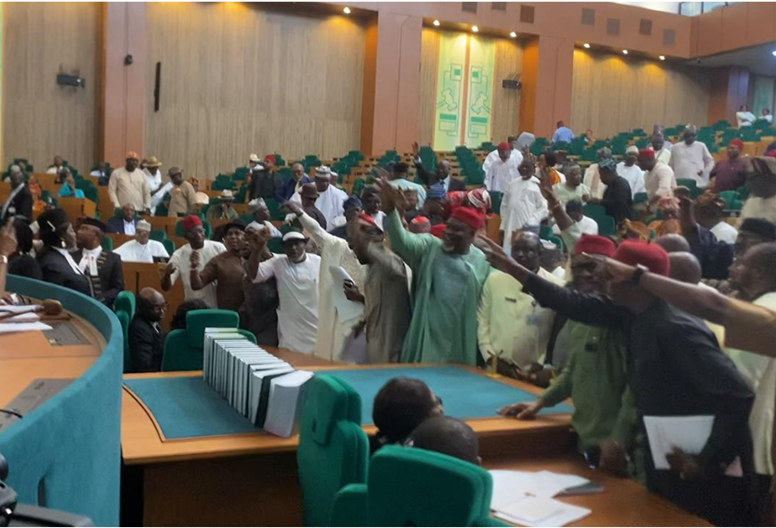
House of Representatives Plenary Session. Credit: Channel TV
The disruption comes amid escalating tensions over Clause 60(3) of the Electoral Act, which has triggered nationwide backlash.
Earlier reports showed that lawmakers altered the provision that previously mandated real-time electronic transmission of results to the INEC Result Viewing (IREV) portal, replacing it with wording that allows transmission with conditions while recognising manual collation as a fallback.
Civil Society Organisations (CSOs) had warned that the revised clause introduces what they described as a “failure loophole,” arguing that language such as “provided if it fails and it becomes impossible to transmit” creates ambiguity capable of undermining transparency.
The disruption comes amid mounting backlash over recent legislative moves on Clause 60(3) of the Electoral Act, which critics say weakens legal backing for electronic transmission. The controversy follows earlier Senate debates and public outrage.
Chaos During Clause-by-Clause Review
Thursday’s chaos broke out during plenary presided over by Deputy Speaker Benjamin Kalu, who conducted a clause-by-clause review of the Electoral Reform Bill.
In a viral video shared by Sahara Reporters, Kalu was seen rapidly calling clause numbers, striking the gavel, and moving swiftly to the next provision without extended debate.
Lawmakers in the Green Chamber alleged that the speed of the review prevented members from scrutinising the clauses or raising points of order, fuelling accusations of a rushed legislative process.
The development triggered a protest from minority lawmakers, who staged a walkout during the plenary.
Some opposition members were heard shouting “Ole!” — a Yoruba term meaning “thieves” — apparently directed at members of the ruling All Progressives Congress (APC).
The protest briefly halted proceedings and highlighted deep divisions within the chamber.
Roots of the Current Crisis
The House drama builds directly on earlier controversies in the Senate, where lawmakers amended the Electoral Act during an emergency plenary that began around 12:50 p.m., with the motion moved by Chief Whip Tahir Monguno and seconded by Minority Leader Abba Moro.
The amendment allowed both electronic transmission and manual collation of results, prompting strong criticism from civil society groups, including Yiaga Africa, which warned the change could make the results management process “vulnerable to manipulation and legal contestation.”
Former Vice President Atiku Abubakar also rejected the amendment, saying combining both systems would “cause confusion,” while opposition figures and activists warned it could erode trust in future elections.
Growing Electoral Tensions
The National Assembly standoff has unfolded alongside mounting public protests and political warnings ahead of the 2027 general elections, with critics accusing lawmakers of weakening safeguards for credible polls.
Analysts say Thursday’s chaotic plenary reflects growing anxiety over electoral transparency and deepening mistrust between political blocs within the legislature.
As of the time of filing this report, the House leadership had not issued an official statement addressing the walkout or clarifying whether the clause-by-clause review would be revisited.