







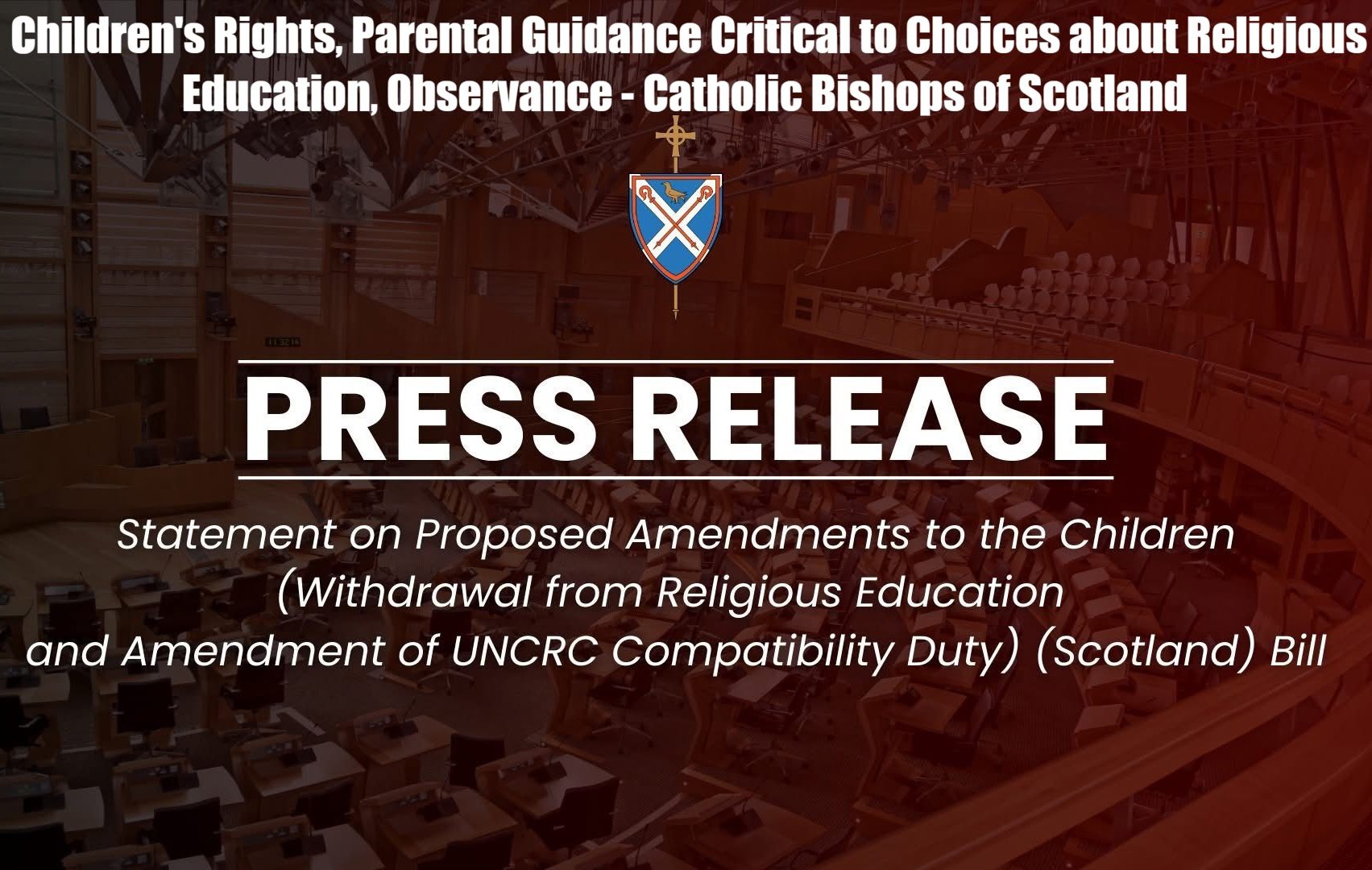
The Scottish Catholic Education Service (SCES) has issued a statement on the proposed amendments to the Children (Withdrawal from Religious Education and Amendment of UNCRC Compatibility Duty) (Scotland) Bill before the Scottish Parliament insisting that children’s rights and parental guidance are critical to choices about religious education and observance.
In a statement released on behalf of the Catholic Bishops’ Conference of Scotland, SCES indicates support for amending the Bill to ensure compliance with the United Nations Convention on the Rights of the Child (UNCRC).
While arguing that the move is geared towards strengthening children’s rights in Scotland, the Bishops, however, warned about the impending consequences of some proposals in the amendments.
The Catholic Education Agency particularly supports parts of the amendments which “introduce clearer age-related guidance on maturity and decision-making, helping to determine when a young person can make an informed decision about Religious Education or Religious Observance.”
In another swipe, SCES expresses worry about “a number of other amendments that extend the bill beyond its original purpose and could lead to unintended consequences for Scotland’s denominational schools.”
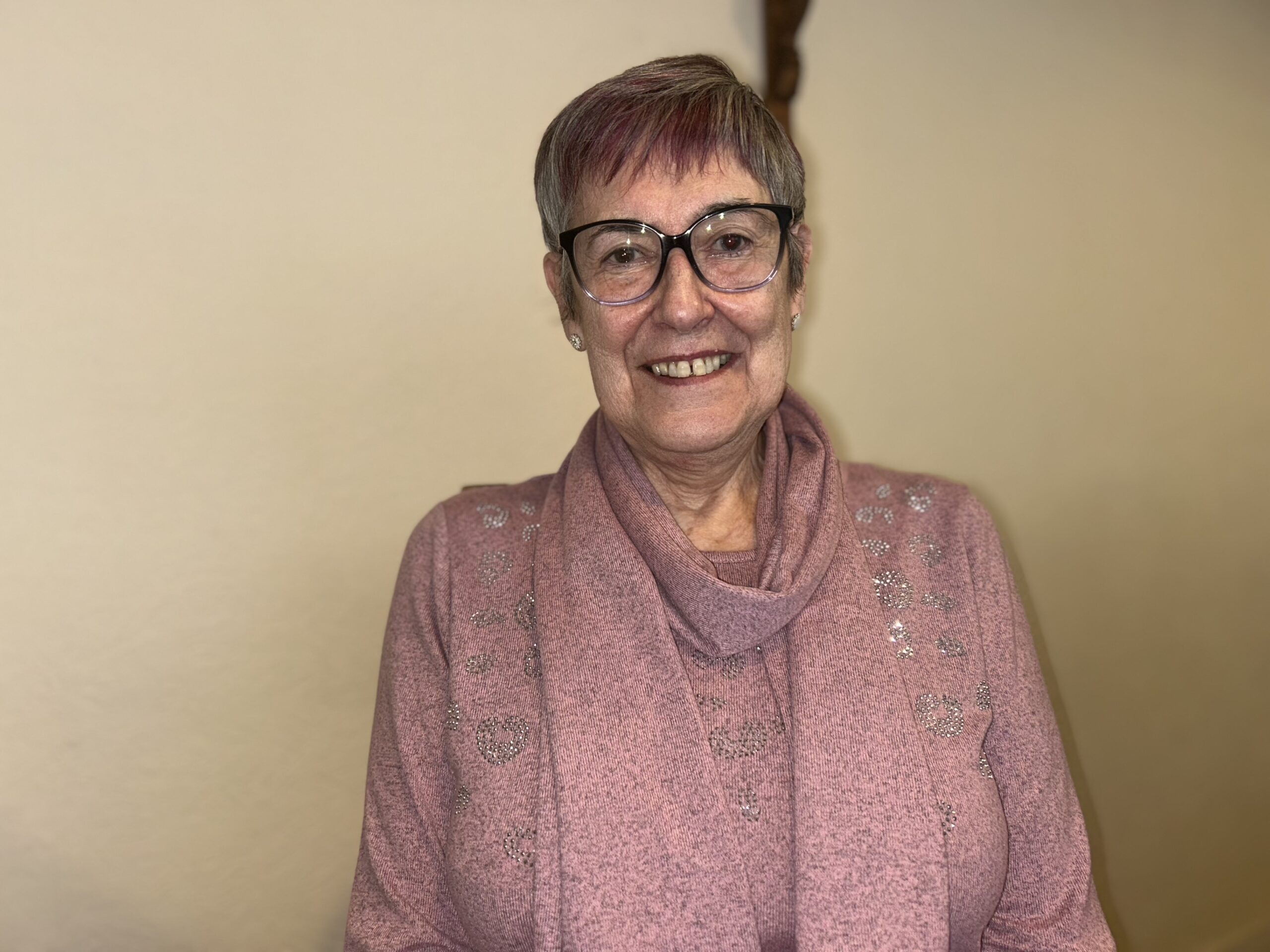
In an interview with Advocatus Africa dated Monday, 19 January 2026, Ellen McBride, a seasoned Scottish Catholic Educationalist and Honorary Senior Lecturer at the University of Glasgow, provided insights into the education system in Scotland when she disclosed that “We are very lucky in Scotland because we have an organisation which is of the Bishops’ Conference and is called the Scottish Catholic Education Service, run by Barbara Coupar – [She] does that very well… It was started by Michael McGrath, who had been a head teacher. They support schools in religious education.”
The author and Chairperson of the Pastoral Council at St. Eunan’s Parish, Clydebank also spoke “about another programme at the national level, which works with the state in a political sense, challenging the government, on health education programmes to ensure that the curriculum reflects Catholic ethos.”
McBride detailed that “the education service in Scotland is different from England,” clarifying that “in 1918, there was an Act of Parliament which the Catholic Church gave their schools over to the government to be run on its behalf. That meant that the Bishops of Scotland could determine the curriculum. So, we need to make sure that the catholic element is there.”
Meanwhile, SCES warns that the proposals to replace the long-standing legal term “Religious Instruction” with “Religious Education” could lead to narrow interpretation towards a purely academic curriculum model, limiting the ability of denominational schools to deliver faith-based education consistent with their protected religious ethos.
The body also raises concerns about proposals in the amendments to allow young people to withdraw independently from Religious Observance, without the same level of parental involvement currently required.
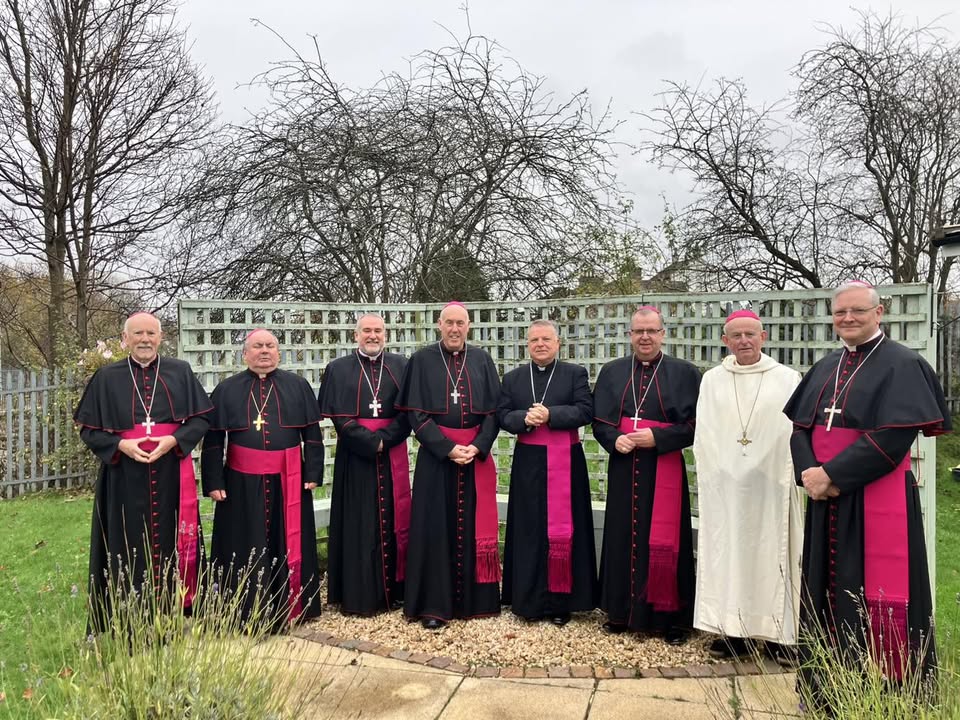
Catholic Bishops’ Conference of Scotland
The agency holds that while such changes are often justified by references to Article 14 of the UNCRC, it observed that Article 14 of the UNCRC must be read in full, noting that the article also affirms the rights and duties of parents to guide children in matters of religion, in accordance with the child’s evolving capacities.
“While welcoming the opportunity to contribute to statutory guidance, SCES has highlighted major concerns regarding proposed new reporting and information requirements,” the statement reads in part.
According to SCES, these measures would impose disproportionate administrative burdens on schools and local authorities, duplicate existing inspection arrangements, and introduce unclear criteria requiring Religious Observance to be assessed as “objective, critical and pluralistic” and “inclusive”, without clear definitions or clarity on who would judge compliance.
The statement also disclosed that the education body welcomes proposals intended to safeguard the existing legal protections of denominational schools, stressing that Scotland’s denominational education system has long held a legitimate and protected place within the wider educational framework.
The Children (Withdrawal from Religious Education and Amendment of UNCRC Compatibility Duty) (Scotland) Bill passed in the Scottish Parliament on 17 February 2026.
The Bill underwent significant changes during Stage 2, primarily aimed at distinguishing between educational curricula and worship.
SCES urged the Scottish Parliament to ensure that UNCRC compliance is achieved in a way that will respect children’s rights, the role of parents and families, and the distinctive character and legal status of denominational schools in Scotland.
Introduced on 30 April 2025, the Bill is at Stage 3 of the process to decide if it would become an Act.