


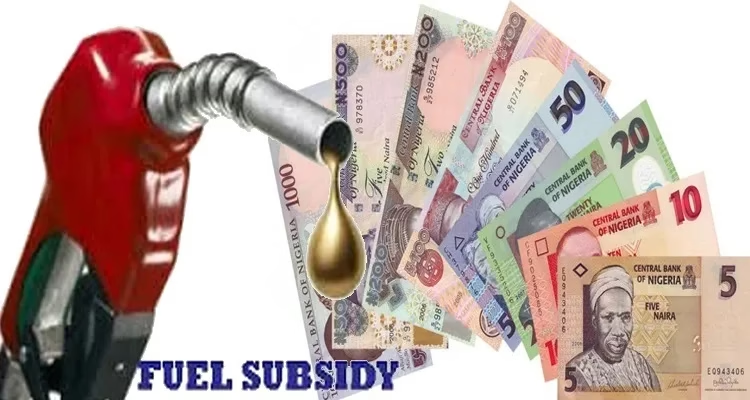
…This op-ed raises the ₦15.8 Trillion Question
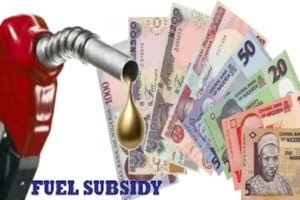
Nigeria’s latest subsidy debate is not really about whether ₦15.8 trillion is a big number. It is about whether the country can clearly trace what was saved, when it was saved, and what happened in between. The Nigeria’s Minister of Finance and Coordinating Minister of the Economy – Mr. Taiwo Oyedele stated that subsidy removal generated ₦15.8 trillion in resources between June 2023 and December 2025. He also disclosed that the money did not enter the Federation Account as a separately labelled “subsidy savings” credit.
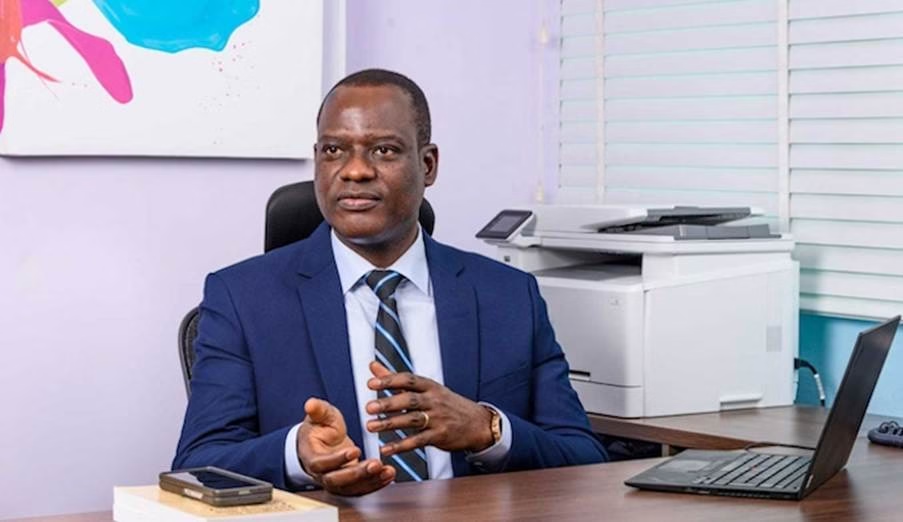
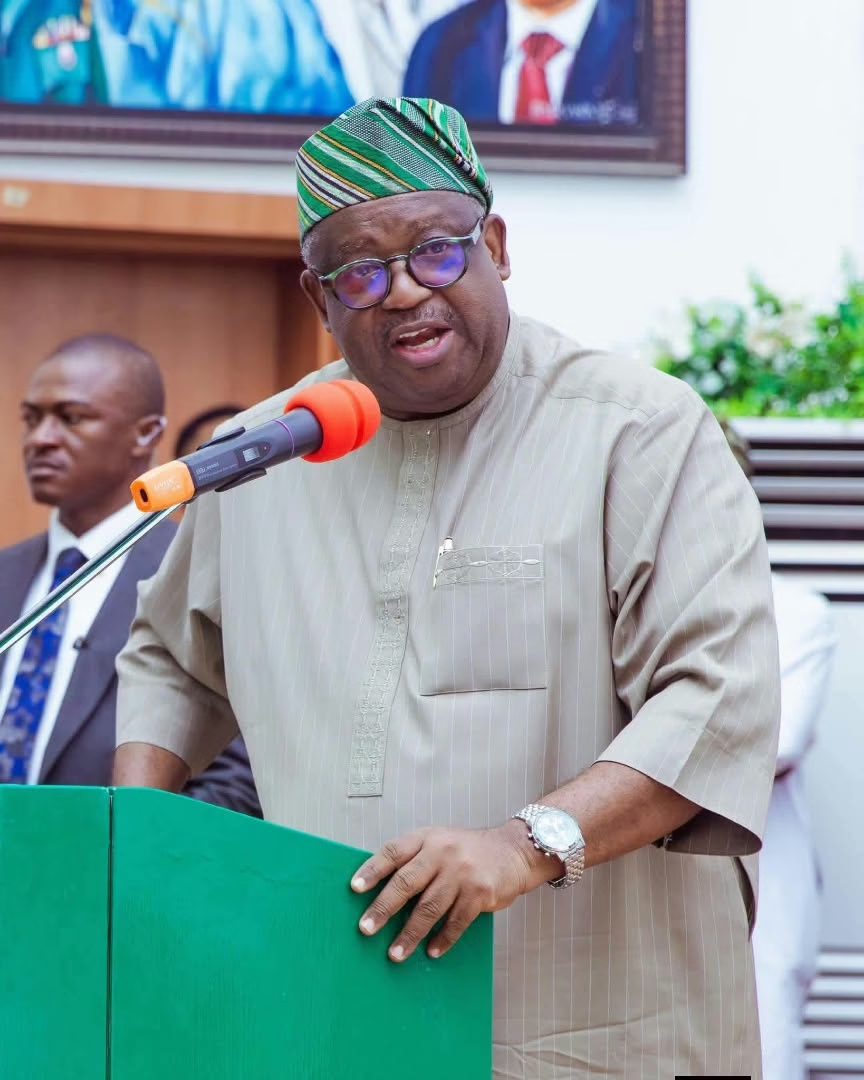
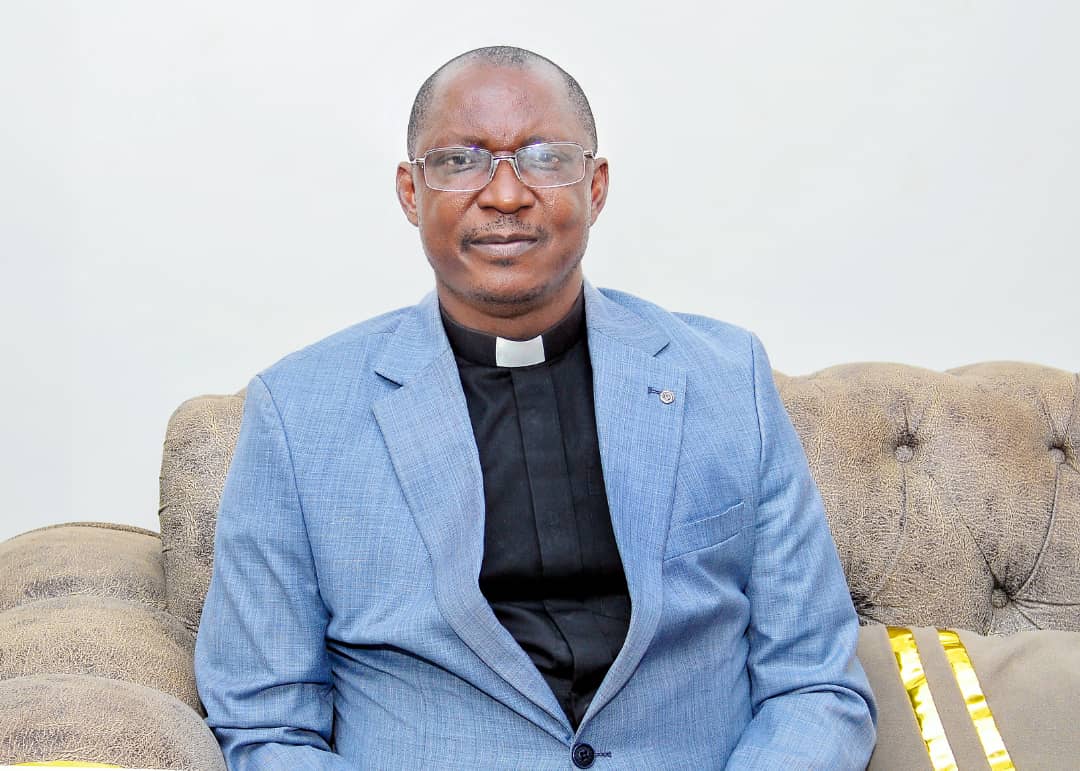
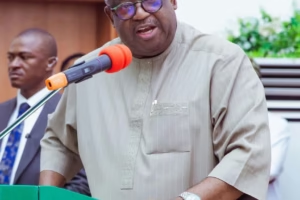
Mr Taiwo Oyedele, Nigeria’s Minister of Finance and Coordinating Minister of the Economy. Photo Credit: Deji Elumoye.
That explanation may be technically valid, but it leaves an important public question unanswered. If Nigerians were told in May 2023 that “subsidy is gone,” why did reports in 2024 continue to point to subsidy-related costs and payment gaps? Reuters reported in April 2024 that NNPC faced a roughly $3 billion backlog to petrol suppliers as effective subsidy pressures returned. By June, a Finance Ministry-linked draft projected ₦5.4 trillion in fuel-subsidy expenditure for 2024.
When the Subsidy Appeared to Return
The government later argued that the June document was only a proposal, not an approved policy. That distinction matters, but the controversy did not end there. In August 2024, Nigerian National Petroleum Company Limited (formerly known as the Nigerian National Petroleum Corporation) said the Federal Government owed it ₦7.8 trillion for petrol subsidy, after earlier public denials that subsidy had returned. NNPC officials described part of the arrangement as covering the shortfall between petrol-import costs and what the Federation could recover.
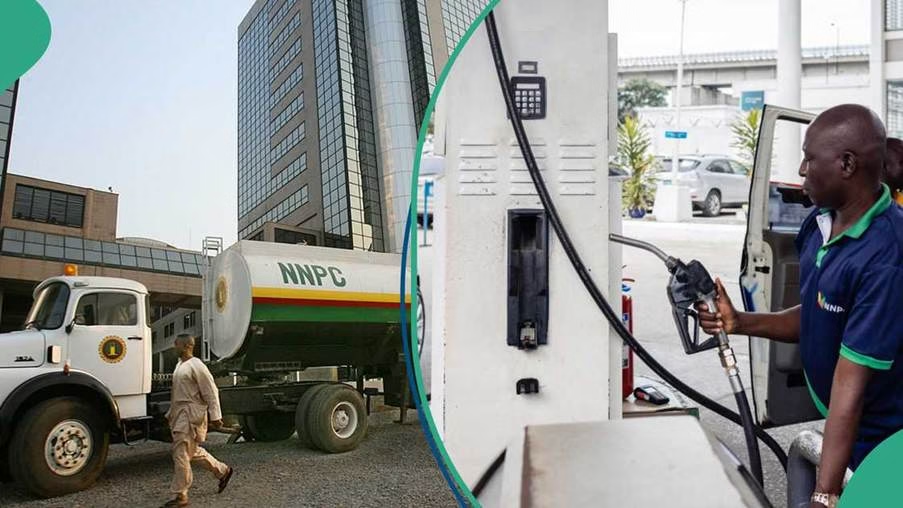
Filling stations adjust pump price. Photo credit: Suzanne Plunkett.
The same month, reports said President Bola Tinubu approved the use of NNPC’s 2023 final dividends due to the Federation to help cover petrol-subsidy payments. That is why Nigerians are entitled to ask whether the subsidy was abolished outright or merely shifted into NNPC’s books and other fiscal arrangements. The question is not necessarily an accusation of wrongdoing. It is a demand for consistent definitions, transparent accounting and a clear reconciliation of the numbers.
Reuters also reported in September 2024 that NNPC was under severe financial strain from costly fuel imports and was covering shortfalls in the government’s petrol-import bill. The report suggested that subsidy-like pressures persisted as pump prices lagged behind the dollar cost of fuel. This makes the story of 2023 and 2024 more complicated than the simple declaration that “subsidy is gone.” The old regime may have ended, while other forms of under-recovery or implicit support continued.
Savings Need a Public Ledger
A major turning point came in October 2024, when NNPC raised pump prices and petrol began moving closer to market pricing. Reuters described the shift as part of the transition away from a costly subsidy programme towards fuller deregulation. If that was the effective final exit, Nigeria should distinguish clearly between the May 2023 announcement and the period when implicit subsidy pressures reportedly continued. That distinction would make the ₦15.8 trillion claim easier for the public to evaluate.
The strongest version of the government’s argument is that ending the old subsidy system freed more resources for the Federation over time. The strongest criticism is that “savings” should not be presented without equally explaining the periods when subsidy-related costs and NNPC obligations continued. Both arguments can exist at the same time. What cannot coexist comfortably is public confidence and an accounting system the public struggles to follow.
Conclusion: Show Nigerians the Full Picture
₦15.8 trillion may represent a significant fiscal gain from reform, but the figure deserves a full public ledger. Nigeria needs to know the baseline used, the monthly savings, the subsidy-related costs that continued after May 2023, and how the final net benefit was calculated. Until that reconciliation is published in a simple and verifiable form, the debate will remain bigger than one headline. The real test of subsidy removal is not only how much government says it saved, but whether Nigerians can see exactly where the savings came from—and where the money went.
Editor’s Note: Featured photo is courtesy of dailytrust.com.