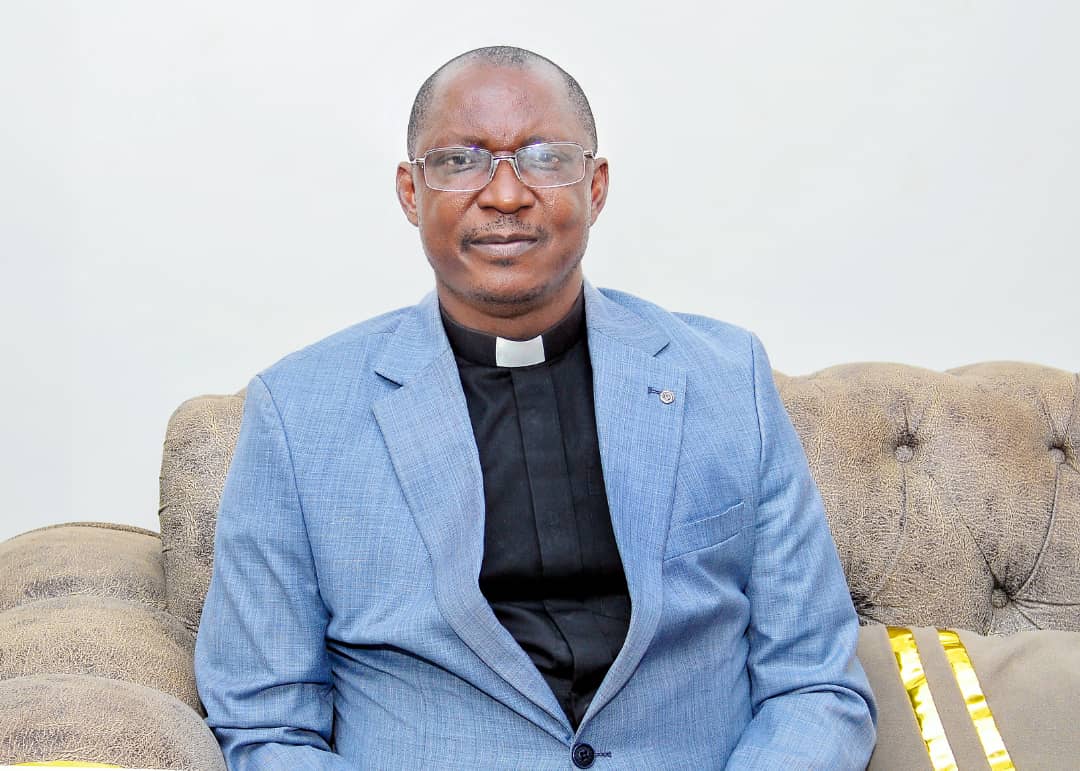






In this opinion piece, Dr. Ijutil K. Joseph critically examines the intersection between promise and failure in President Tinubu’s white-elephant ₦3.3 trillion electricity plan. The scholar argues that beyond mere announcements, what is required is a “clinical execution.”
Nigeria’s electricity crisis is not new, and neither are promises to fix it. As highlighted in earlier reports, the gap between policy and performance remains a major concern.
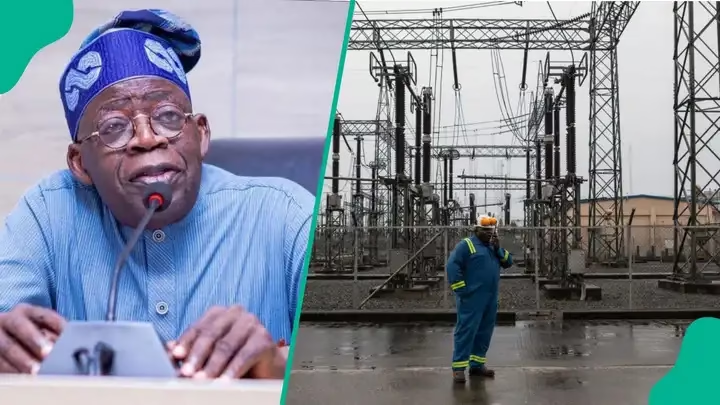
The recent approval of a ₦3.3 trillion payment plan by President Bola Ahmed Tinubu has been presented as a bold step toward fixing Nigeria’s electricity crisis. According to the State House release shared by Bayo Onanuga, the plan aims to settle long-standing debts and restore stability across the power sector.
Government officials insist this will improve generation, attract investment, and deliver reliable electricity. But for many Nigerians, the announcement sounds like a familiar promise in a sector defined by repeated disappointments. It raises a deeper question: is this reform, or just another expensive reset?
The Face of the Crisis: Leadership Under the Spotlight

The Minister of Power, Mr Adebayo Adelabu. Credit: Emmanuel Addeh.
At the center of the debate is Adebayo Adelabu, whose handling of the sector has drawn intense scrutiny. The minister previously described Nigeria’s electricity challenges as partly “beyond our control,” a statement that triggered widespread backlash.
In a separate viral video, he was also quoted as saying he had made enough money in office to never be broke again, which fueled public anger. Adding to the controversy is a reported resignation letter circulating online. Together, these developments have shifted focus from policy to credibility and leadership ethics.
The ₦3.3 trillion plan is not the first major financial intervention in Nigeria’s power sector.
Over the years, trillions have been spent, yet electricity generation still hovers between 4,500 and 5,500 megawatts. This stagnation reinforces long-standing criticism that funds are deployed without delivering measurable results. As previously reported, repeated promises of improvement have often failed to match reality on the ground. For me, this new plan feels less like progress and more like déjà vu.
Contradictions at the Top and Public Reactions: Between Hope and Distrust
In a recent visit to Jos, President Tinubu reportedly acknowledged the lack of electricity at an airport, highlighting the depth of the crisis. Yet, just days later, the same administration is announcing trillions to “restore reliable electricity.”
This contrast has not gone unnoticed by citizens who recall campaign promises about delivering stable power or being held accountable. I argue that such contradictions weaken confidence in government commitments. It creates the impression of a leadership caught between ambition and reality.
Reactions to the ₦3.3 trillion plan have been sharply divided. While some Nigerians, especially, All Progressive Congress (APC) supporters cautiously support the move, arguing that settling legacy debts could unlock progress in the sector. I am more skeptical, questioning whether the funds will be properly utilised or lost to inefficiency.
There is also a growing belief that large financial announcements often coincide with political timelines rather than genuine reform. These sentiments reflect a broader crisis of trust in governance and public spending.
Beyond electricity, the issue has sparked comparisons about leadership culture globally.
Figures like Mark Rutte are often cited for modest lifestyles and accountability. By contrast, some Nigerian leaders are perceived to be extravagant despite widespread poverty.
This disconnect fuels frustration, especially when basic services like electricity remain unreliable.
It suggests that the crisis may be less about resources, and more about responsibility.
The Bigger Question: Reform or Rebranding?
Ultimately, the success of the ₦3.3 trillion plan will depend on execution, not announcements.
Nigeria’s electricity crisis is not new, and neither are promises to fix it. As highlighted in earlier reports, the gap between policy and performance remains a major concern.
More than ever, what Mr. President needs to do is a “clinical execution” of the promises he made to the Nigerian people. For many Nigerians, the real test is simple: will the lights finally stay on? Until then, every new reform risks sounding like a familiar echo, another promise in the dark.
Editor’s Note: Featured photo is courtesy of Legit.ng: https://www.legit.ng/business-economy/energy/1704228-tinubu-approves-n33tn-power-sector-debt-repayment-boost-electricity-supply/.