The Burden of Extremism and Religious Bigotry Versus History in Nigerian Politics
“Nigeria’s political history continues to wrestle with the enduring dangers of extremism, sectarian rhetoric, and religious bigotry,” asserts Solomon Dalung.
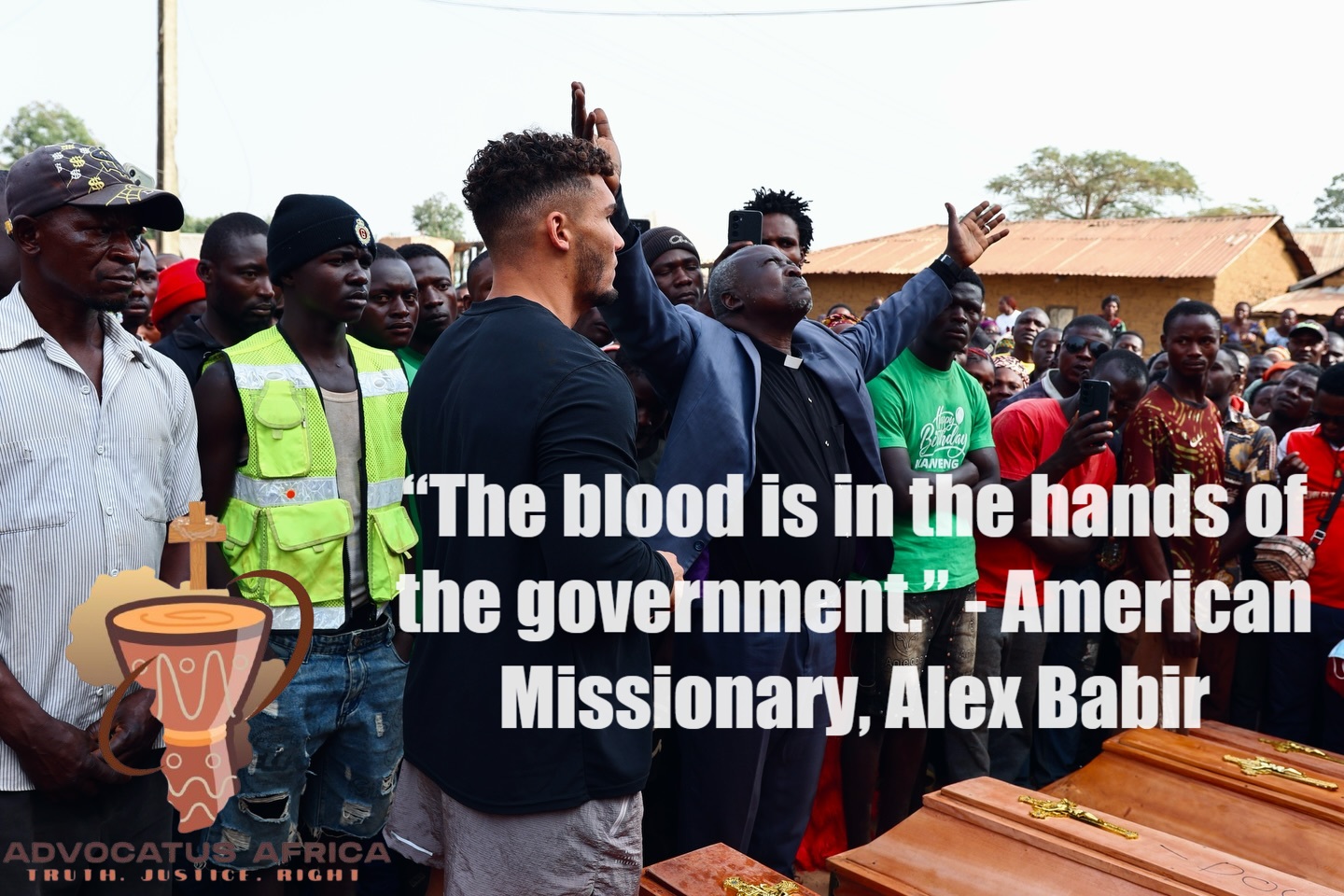
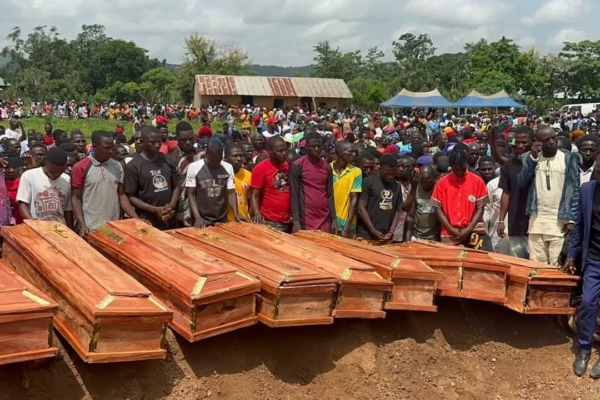
When the news of the Tuesday, 3 February 2026, attacks on the Woro-Nuku communities in Kwara State by suspected Jihadists, which resulted in the death of about 200 people, broke, little did anyone know that at least 5000 of those victims were Plateau State indigenes who had migrated to the community for farming purposes.
Community leaders in Ganawuri District of Riyom Local Government Area of Plateau State, north-central Nigeria, the epicentre of incessant attacks by suspected Fulani militia, have lamented that their woes have increased due to the recent unprecedented influx of thousands of Internally Displaced Persons (IDPs) into their community.
This piece critically examines the quagmire surrounding the legislation and the lingering unresolved questions around electoral transparency in the oil-rich African nation.
The truth about Northern Nigeria is uncomfortable, and that is exactly why it is constantly denied. Christians are being deliberately targeted, humiliated, kidnapped, displaced, and killed, yet the same society that looks away turns around to lecture survivors about patriotism. This hypocrisy is not accidental. It is sustained by lies, propaganda, and a deliberate refusal to name ideology for what it is.
Bishop Matthew Hassan KUKAH’s Public Lecture, “To Have and To Hold: Faith, Moral Authority, and the Care of Our Common Home,” delivered at the 24th S.L. Edu Foundation Lecture Series on January 30th, 2026, at Our Lady of Perpetual Help Hall, 16, Yar’adua St. Victoria Island, Lagos, Nigeria.
In its ongoing campaign against terrorist factions in the North-East, particularly the lethal Boko Haram insurgents, the Nigerian army has achieved significant victories through a recent night operation that resulted in the elimination of a high-ranking commander and several frontline members of the group.
If holiness were measured by noise, Fr. Michael MCGRATH might have been overlooked. He did not arrive with thunder, slogans, or spiritual fireworks. He arrived instead with books under his arm, time in his pocket, a tennis racket in the boot of the car, and a Mass that was celebrated as though heaven itself had politely asked him not to rush.
The Nigerian government increasingly appears to be shielding terrorists. A government that repeatedly chooses negotiation over decisive action against terror groups is not merely displaying incompetence; it raises serious concerns about deliberate concealment of the truth from citizens who are left to suffer daily kidnappings, killings, and displacement. When terror becomes routine and excuses replace accountability, something is fundamentally wrong.
Prioritises conflict reporting, research and documentation to amplify marginalised voices
Honours St. Francis de Sales, the Patron Saint of journalists and writers
Leverages Catholic social teaching to foster the betterment of the human person