





By Elizabeth Ameh
According to a UN Women Advocacy statement, “Educating a girl child is a transformative investment that reduces poverty, boosts economies, and strengthens nations.”
The worrying aspect of girls’ education is when a girl desires to claim her right to learn, but that right is denied due to factors that can be resolved.
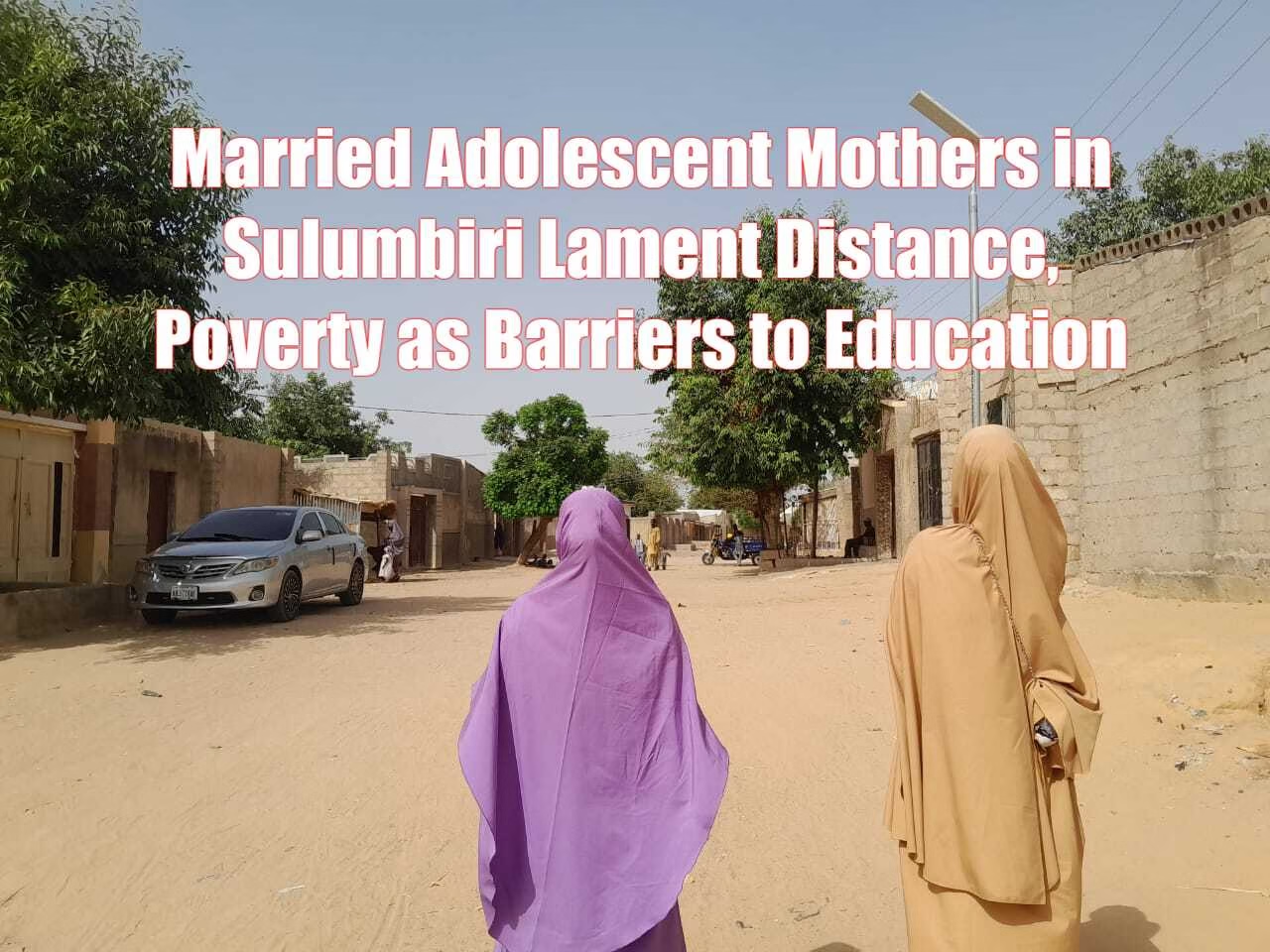
In Sulumbiri, a community in the MMC Local Government Area of Borno State, many adolescent mothers and young girls cannot continue their education because of long distances to school, high transport fares, and poverty.
Governor Umara Zulum’s administration has constructed more than 104 new schools and rehabilitated 2,931 classrooms from 2019 to date.
But even with these efforts, the demand for education and learning facilities persists in many communities.
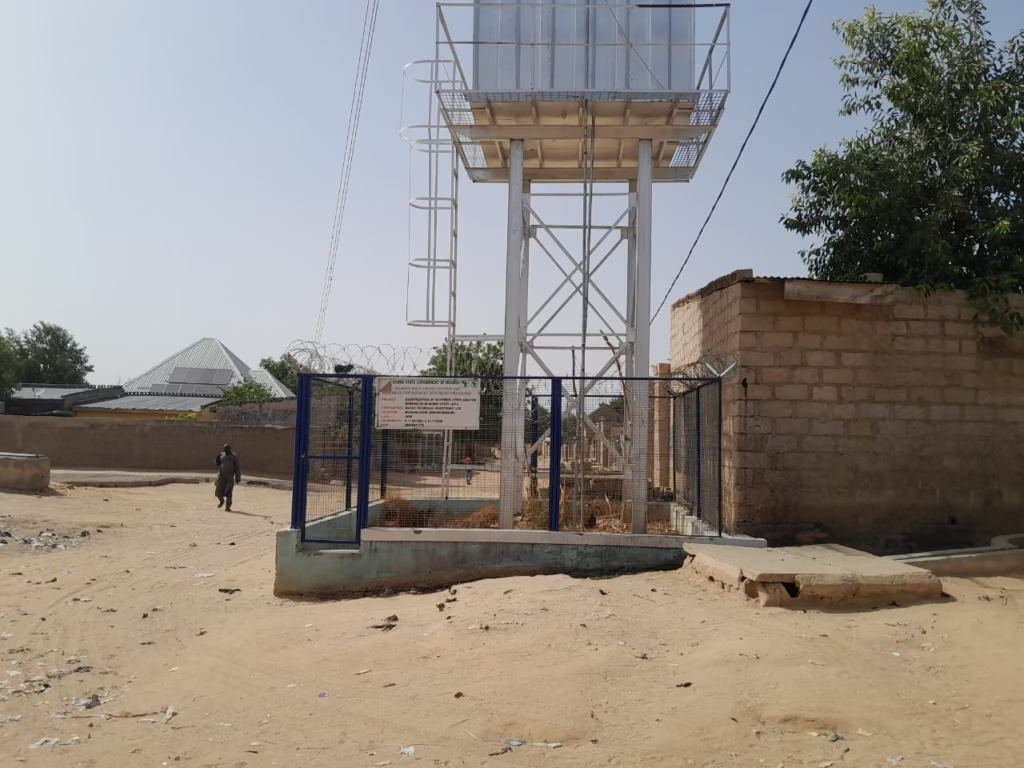
A water plant in Sulumbiri community
This is because more people now understand the importance of girl-child education and its benefits to society.
Sulumbiri is a suburb of the Machidimami area in MMC LGA of Borno State. Its residents are mainly Kanuris, along with other language minorities.
The community has solar-powered tap water, but only one private school, Hadiza Memorial, located about 2 to 3 kilometers away.
In this quiet, high-density community live many young, married adolescent mothers who either dropped out of school long ago or were forced to stop due to social and economic reasons.
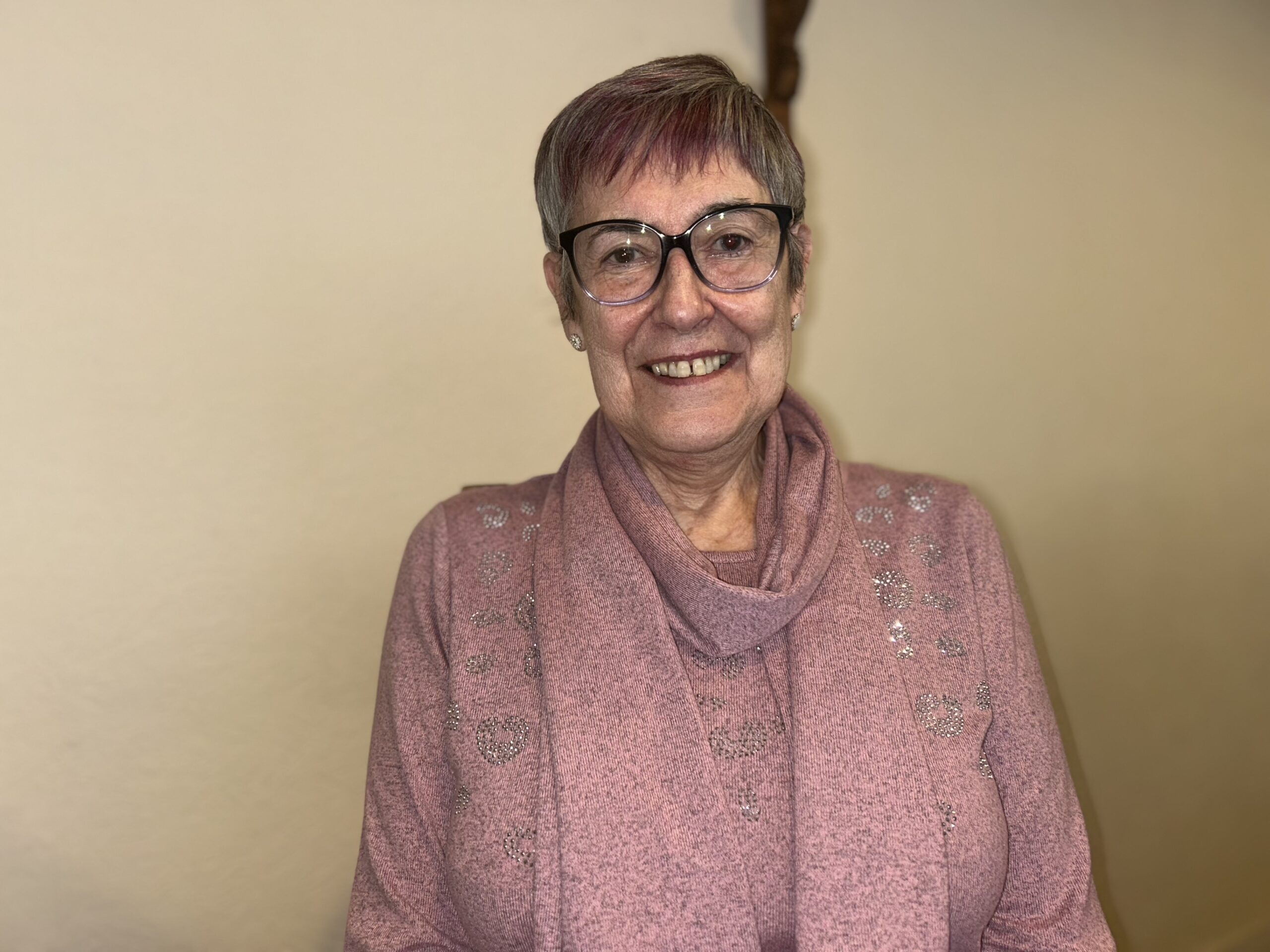
Hauwa Tijjani, (not real name), a married adolescent mother of one, was forced to leave school for marriage at age 15 because of her parents’ financial situation.
Hauwa Tijjani, (not real name)
“I felt bad when it happened, but I had no choice but to obey my parents because they had no means to finance my education,” she said.
“We are ten children from the same parents—five boys and five girls. My parents enrolled me in school early. I completed primary school and was in JSS III when they gave me off for marriage. My father’s business was doing well before and he always paid our school fees and transport. But when the business collapsed, he decided to marry me off to our relative at age 15. I have a child now, and I want to go back to school, but my husband cannot afford my uniform and transport fare. The school is very far from our area,” she narrated.
Tijjani said she wants to return to school to study Nursing, but lacks financial support, adding that her husband also wants her to go back, but her cannot sponsor her.
She noted that one of the public schools for married adolescent girls, Women’s Day Secondary School, is far, and transport costs have increased.
She stressed that many married and young adolescent mothers in the community dropped out for the same reasons.
Tijjani, the fifth of ten children, said none of her older siblings completed secondary school. Only her younger siblings attend Islamiyya schools and government schools.
Fatima Tijjani, (not real name), Hauwa’s friend and a mother of five, said she wrote her Junior WAEC before being married off.
Fatima Tijjani, (not real name), Hauwa’s friend
“My husband initially enrolled me back in secondary school, but I later withdrew because of transport costs and the economic situation,” she said.
“I am 20 years old. I married at 15 and have five children. When I got married, my husband enrolled me in High Islamic College (Bocolis) to complete my education, but I later dropped out because of transport fare and economic problems.
“I dream of becoming a medical doctor, but I don’t know when I will go back to achieve it. If we had a school close by, I would have enrolled already,” she told Advocatus Africa.
Fatima’s husband, Mohammed Ahmed, confirmed that his wife cannot continue her education because of the harsh economy.
He promised to re-enroll her if his business improves. He appealed to the government to provide subsidised transport and build schools closer to the community to increase enrollment among young adolescent mothers.
Another resident, Fatima Homaeed Musa (not real name), who also married at 16, said she left school in JSS III and has been married for almost six years.
“I gave birth to two children but lost one. My son is four and attends an Islamiyya school because there is no government school close to us. When he is older, I will enroll him in a government school. When I was married off, I felt bad because some of my mates were still in school. My husband wants me to go back, but he has no money. Some of my older siblings reached diploma level, while my younger ones are still in primary and secondary school,” she lamented.
The women appealed to the government to build schools in their community so they and their children can enroll.
They also appealed for financial empowerment to help them start small businesses that can support their education.
Education is the right of every child. If you deny a child that right, you deny them their future.