



There is hardly a newspaper in Europe or the United States that does not repeat this truth: The Church needs Africa. It is such an obvious statement that it has become almost banal. And yet, few—if any—media outlets are able to explain why.
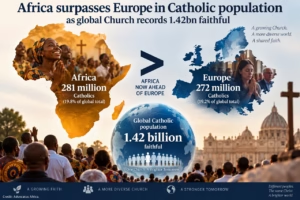
Usually, those who make this claim point to the data in the Church’s Book of Statistics. The latest figures, updated to 2023, confirm a long-established trend: The percentage of Catholics within the world’s population is growing, rising from 17.7 percent to 17.8 percent (Catholics now number 1 billion and 405 million). This growth, unsurprisingly, is driven above all by Africa (+8.3 million). By contrast, the number of priests is declining, especially in Europe (–2,486), while it is increasing in Africa (+1,451).
On the basis of these figures, the main Western media conclude that the Church needs Africa. They are not wrong, of course, since the data confirm that the Church is vibrant in the countries of the Global South, while it is in crisis—especially when it comes to vocations—in Europe and the Americas. But reasoning based on numbers alone is not enough. The Church does not need Africa (only) because it would otherwise lack priests and nuns, but because it is above all in Africa that faith is being put to the test today.
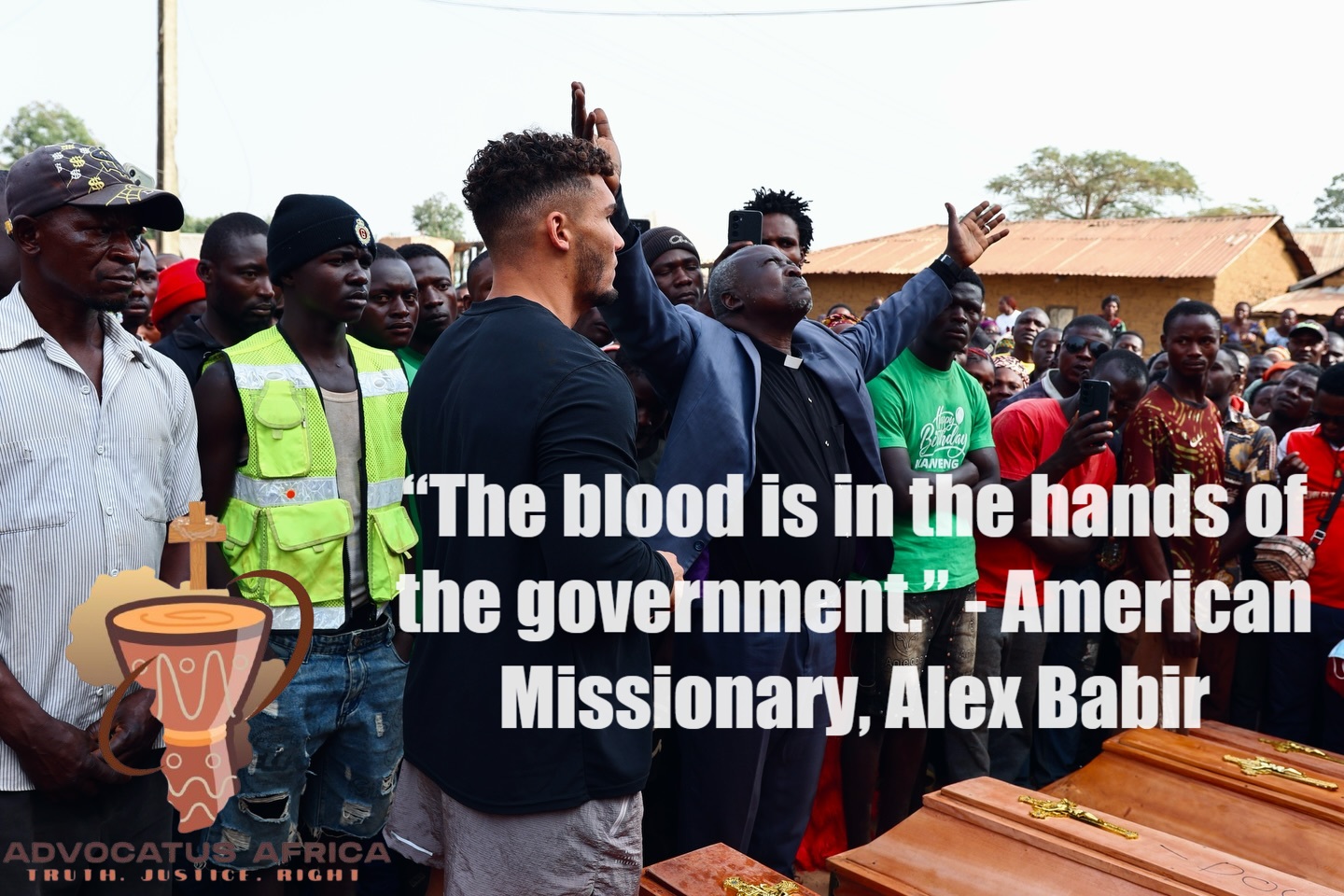
I understood this three years ago, when I visited several villages in the dioceses of Kaduna and Kafanchan that had been razed to the ground by Fulani terrorist gangs, as well as seminaries that had been attacked by Islamists. I saw pain, poverty, and injustice, but also a mysterious strength that I struggled to understand. I met many people who had lost everything except their faith in God—and precisely for that reason retained joy and hope for the future.
“When I visited several villages in the dioceses of Kaduna and Kafanchan that had been razed to the ground by Fulani terrorist gangs, as well as seminaries that had been attacked by Islamists.” – Grotti
Why is faith in crisis in the wealthy and satisfied West, while it is strong in Africa, where Christians are still persecuted? Archbishop Ignatius Kaigama of Abuja explained it clearly to me: “If faith remains strong despite the suffering inflicted on us, it is because Christianity is founded on the cross”, he told me. “It is not all sugar, it is not all gold—Christianity has a cost and demands something from those who embrace it. There was a historical period when Europeans died for Christianity, yet they did not abandon the faith. Now it is we who suffer terrible attacks, and yet Nigerian Christians are not afraid and fill the churches. The more we are persecuted, the more hunger and need we have for God.”
The African Church, he added, “can remind everyone that the heart of our faith is the cross. Christians cannot set the cross aside; they must take it upon their shoulders every day. I fear that in the West Christians have become allergic to the cross—they no longer want to hear about it and wish to replace it with comfort and consumerism. Perhaps we can teach that the cross is not a detail, and that it is possible to experience joy even in suffering, by sharing it within the community. The West is rich and may have forgotten that values also matter in life. If it were to realize this, it would look at us differently.”
“I saw pain, poverty, and injustice, but also a mysterious strength that I struggled to understand. I met many people who had lost everything except their faith in God—and precisely for that reason retained joy and hope for the future.” – Grotti
Africa is indispensable to the Church today because it reminds Christians all over the world what faith truly is. For this reason as well, Pope Leo XIV will show—like his predecessor—close attention to the continent and is already planning a trip to Africa: this year he is expected to visit Angola and Equatorial Guinea, with the possible addition of Cameroon and Algeria.