







In this epic piece, Advocatus Africa’s in-house data and annotation analysis, Dr. Ijuptil K. Joseph, presents a birds-eye analysis of President Bola Tinubu’s UK state house visit while Nigeria bleeds due to multiple blasts.
As President Bola Ahmed Tinubu embarked on a high-profile visit to the United Kingdom to strengthen diplomatic and economic ties, tragedy struck at home. The timing of the trip has sparked intense national debate, as reports of deadly violence emerged almost simultaneously. For many Nigerians, the contrast between international diplomacy and domestic crisis has become impossible to ignore. The situation has reignited long-standing concerns about leadership priorities. It has also deepened public frustration over the government’s handling of insecurity.

Photo of Tinubu’s departure to the UK. Credit: Advocatus Africa.
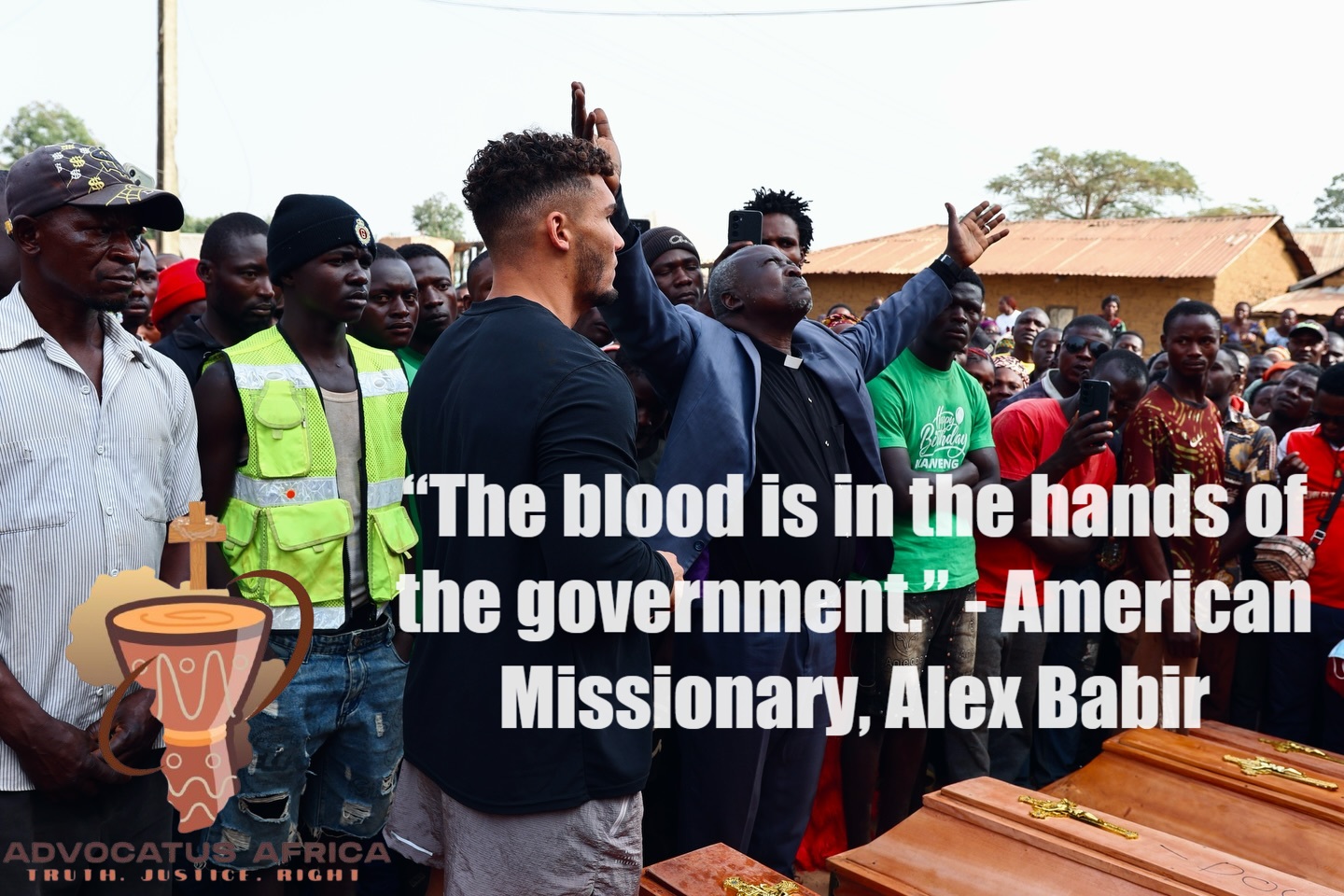
In Maiduguri, Borno State, multiple bomb blasts tore through crowded areas, killing at least 23 people and injuring more than 100, according to the Guardian, BBC, and Sahara Reporters. The attacks reportedly targeted civilian locations, including markets and public gathering points during Ramadan. Emergency responders rushed victims to hospitals, many of which were overwhelmed by the scale of casualties. Witnesses described scenes of chaos, fear, and confusion across affected areas. The incident has once again exposed the fragility of Nigeria’s security architecture.

Injured people in the hospital. Credit: Jamie Whitehead
A Nation Under Attack
Eyewitness accounts and security officials suggest the attacks were carried out by suspected members of Boko Haram, a group responsible for years of insurgency in northeastern Nigeria. According to Reuters, hospitals struggled to cope with the influx of injured victims, many in critical condition. The scale and coordination of the explosions point to a worrying resurgence of organized attacks. Maiduguri, once relatively stable in recent years, now appears vulnerable again. Reports from the BBC indicate that authorities are still assessing the full extent of the damage.
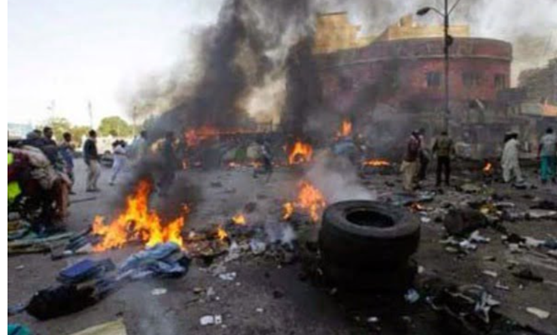
Scene of the bomb blast. Credit: ICIR
The attack adds to a growing list of violent incidents across Nigeria in 2026 alone. From rural massacres to coordinated bombings, insecurity has spread beyond traditional hotspots. Reports from Al Jazeera highlight similar deadly attacks in states like Benue and Niger. These incidents suggest that the crisis is no longer regional but national in scope. The persistence of such violence raises serious questions about intelligence and prevention. Many Nigerians now fear that no part of the country is truly safe.
Tinubu Abroad, Crisis at Home
What has intensified public outrage is not just the attack itself, but the president’s absence during the crisis. President Tinubu was in the UK engaging in diplomatic activities when news of the bombings broke, according to Channels Television. While the presidency reportedly issued directives to security agencies, critics argue that remote governance has limits. In moments of national tragedy, physical presence often carries symbolic weight. Citizens expect to see their leader stand with them in times of grief. For many, that expectation was not met.
“A president abroad while citizens are being killed at home creates a perception gap.” – Dr. Ijuptil.
The optics of the situation have become a major point of criticism. A president abroad while citizens are being killed at home creates a perception gap. Leadership, critics argue, is not only about issuing commands but also about showing empathy. Being present during crises can reinforce public confidence and unity. Without that presence, government responses may appear detached. This perception continues to fuel public dissatisfaction.
Echoes of a Recurring Pattern
This is not the first time such concerns have been raised about leadership response. Previous attacks in parts of Nigeria have drawn similar criticism regarding delayed or distant reactions. Reports from BBC and Al Jazeera have repeatedly highlighted systemic security failures. Despite military operations and government assurances, violence continues to claim lives. The recurring nature of these incidents suggests deeper structural problems. Many analysts believe current strategies are not producing lasting results.
Nigeria’s security crisis has persisted for over a decade, driven by insurgency, banditry, and communal conflicts. Groups like Boko Haram have caused widespread displacement and destruction. Entire communities have been uprooted, and economic activities disrupted. The human cost of this prolonged conflict is immense. Yet sustainable solutions remain elusive. This has led to growing frustration among citizens.
Reason Behind the Reoccurrence of Insurgencies
I argue that, beyond the role of state actors, such as the Ministry of Defence and security agencies, the government’s insurgent rehabilitation programmes contribute significantly to the persistence of insurgency. According to him, while these initiatives are designed to promote deradicalisation and reintegration, they may inadvertently weaken deterrence and create conditions that allow insurgency to persist.
He referenced Borno State, where the Borno government reportedly spent about ₦7.7 billion within 21 months on the rehabilitation and reintegration of former Boko Haram members. Central to this effort is the federal government’s deradicalisation initiative, Operation Safe Corridor, established in 2016 to process ‘repentant’ insurgents through rehabilitation and reintegration programmes. Available data indicate that the scale of surrender and rehabilitation is substantial.
Nigerian military authorities disclosed that more than 83,000 insurgents and their family members have surrendered in recent years, although only a smaller proportion are formally processed through structured deradicalisation camps. In addition, hundreds of convicted or detained individuals have been transferred into rehabilitation programmes after serving sentences or being cleared by courts. The only solution to this menace is killing the insurgents.
“Beyond the role of state actors, such as the Ministry of Defence and security agencies, the government’s insurgent rehabilitation programmes contribute significantly to the persistence of insurgency.” – Dr. Ijuptil
However, several studies and reports raise concerns about the effectiveness of these programmes. Research by Idayat Hassan & Dr. Laura Routley shows that community acceptance remains fragile, with many local populations expressing fear, distrust, and resentment toward reintegrated ex-combatants. Report by Usman Abba Zanna indicates that some defectors bypass formal rehabilitation processes entirely or return to communities without proper monitoring, raising security concerns about possible recidivism.
A study by Tarela et al in 2025 argues that the significant investment in rehabilitating former insurgents contrasts sharply with the limited support provided to victims of terrorism. With over 2 million people displaced and millions affected by the conflict, this imbalance may deepen grievances and undermine long-term peacebuilding efforts. While government officials maintain that rehabilitation is essential for addressing the root causes of violent extremism and encouraging defections, the question is,why in God’s name should terrorists be rehabilitated?
The Bigger Question: Leadership or Optics?
Supporters of President Tinubu’s administration argue that governance is continuous and not confined to geography. They maintain that international diplomacy is essential for Nigeria’s economic growth and global relevance. Foreign engagements, they argue, can bring long-term benefits to the country. I insist, security must take precedence over all else. Without safety, economic progress becomes meaningless. This divergence of views continues to shape national discourse. He added that “the same UK President Tinubu is visiting, prioritising humanity, service, security, and safety.”
To be sure, leadership is measured not just by policy but by presence. In times of tragedy, empathy and visibility become critical components of governance. Critics argue that issuing directives from abroad does not carry the same weight as being physically present. The emotional connection between leaders and citizens matters during crises. Without it, trust in leadership may weaken. This remains a central concern for many observers.
“Leadership is measured not just by policy but by presence. In times of tragedy, empathy and visibility become critical components of governance.” – Dr. Ijuptil.
A Crisis Beyond Statistics
Behind the figures, dozens dead and over 100 injured, are real human stories. Families have lost loved ones, and survivors are left with trauma and uncertainty. Communities are once again forced to live in fear of further attacks. The psychological impact of such violence cannot be overstated. Each incident deepens national grief and insecurity. These are not just numbers; they are lives disrupted forever.
As Nigeria approaches the 2027 elections, security issues are likely to dominate political conversations. Citizens are increasingly demanding accountability and effective governance. The ability of leaders to respond to crises will shape public perception. Trust in government institutions is closely tied to their performance in moments like this. The stakes are therefore extremely high. The coming years will be decisive.
Final Reflection
President Tinubu’s supporters insist that governance must balance both domestic and international responsibilities. They argue that global engagement is necessary for Nigeria’s future. However, I maintain that the primary duty of government is the protection of lives. When that responsibility is questioned, every other achievement becomes secondary. The Maiduguri bombings represent more than a tragic event. They are a critical test of leadership. And the question is, would Keir Starmer travel abroad if multiple bombings occurred in the United Kingdom?
Editor’s Note: Featured photo is courtesy of Royal Family News.