








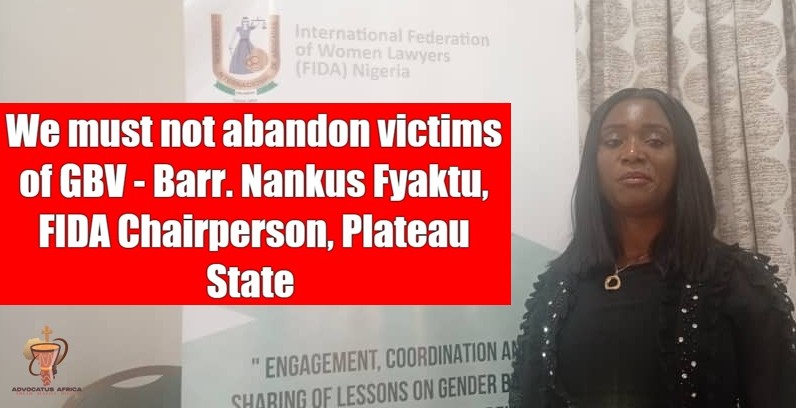
The International Federation of Women Lawyers (FIDA) Nigeria has charged traditional rulers in Plateau state Central Nigeria to be survivors centered in dispensing traditional penalties to cases of gender-based violence in their respective communities.
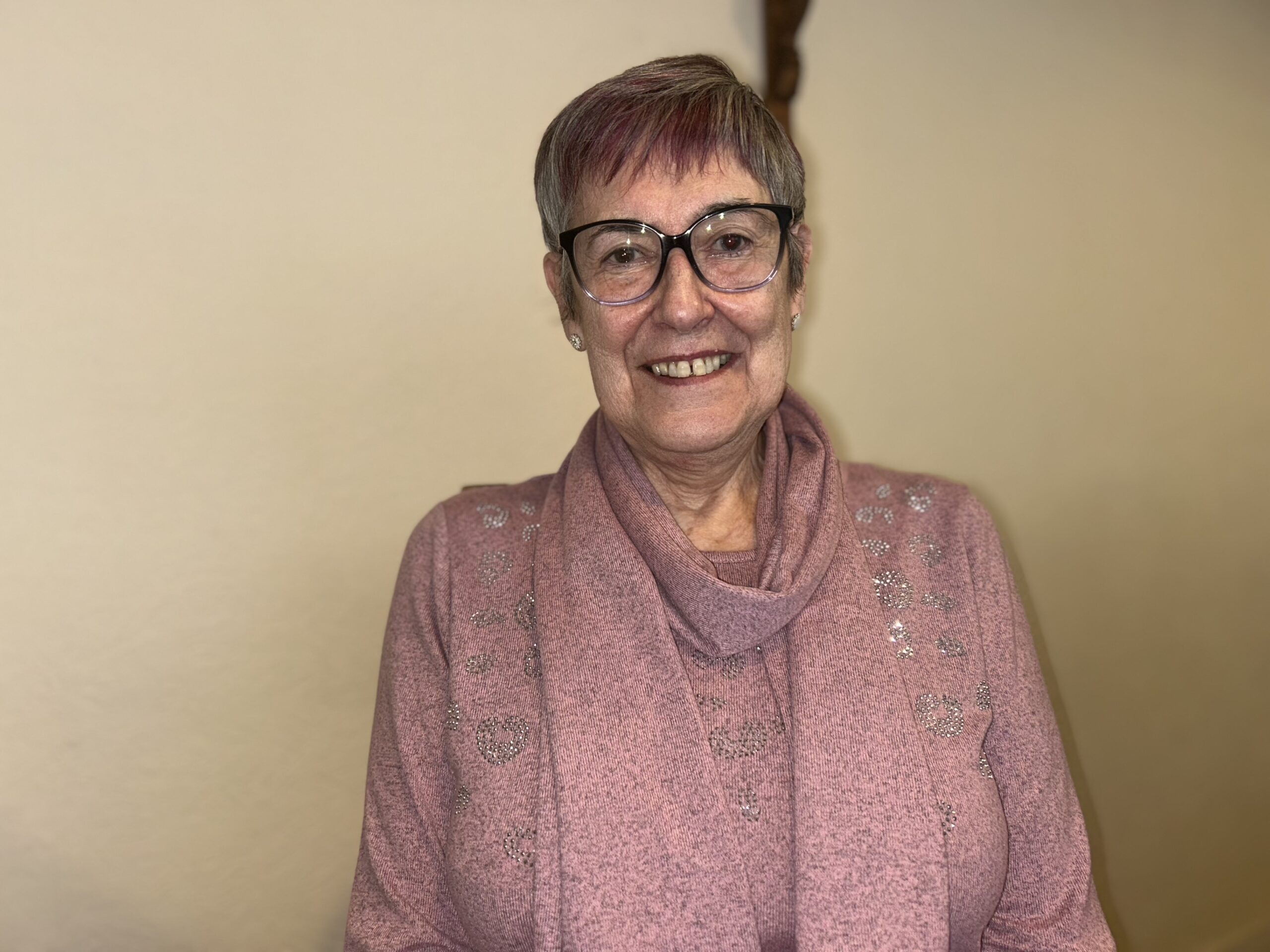
The Country Vice President/National President in Nigeria, Eliana Martins represented by the Chairperson of FIDA Plateau State Barr. Nankus Fyaktu during the second annual Dialogue with Traditional leaders on Gender Based Violence (GBV) and other Harmful Practices Prevention with the theme, “Strengthening Community Protection Systems through Community Guidelines and Case Management Approaches by Traditional Institutions,” held recently at Millennium International Events Centre in Jos, Plateau State capital.
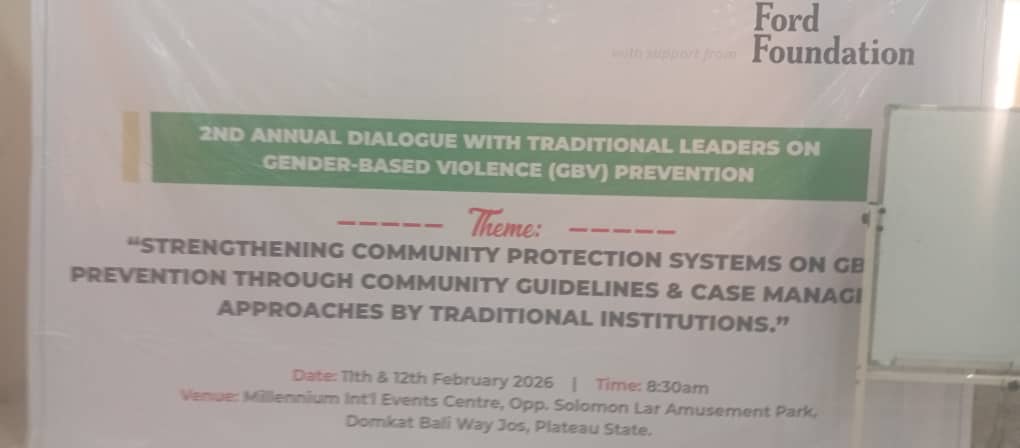
According to her, “Today, we are holding the second dialogue session with traditional and community leaders on community protection systems, as well as case management systems and approaches for handling gender-based violence (GBV) cases in their communities.”
She noted that the goal is to explore how traditional rulers can provide local solutions, “because communities differ from one another and each has its own way of addressing issues. We want them to be innovative and develop context-specific approaches to managing GBV cases effectively.
“In the past, the interests of survivors were not taken into consideration. Whenever there was a case of gender-based violence, the focus was always on the perpetrator how to arrest, prosecute, and punish the offender to ensure justice was served. However, little attention was paid to what the victim was going through.”
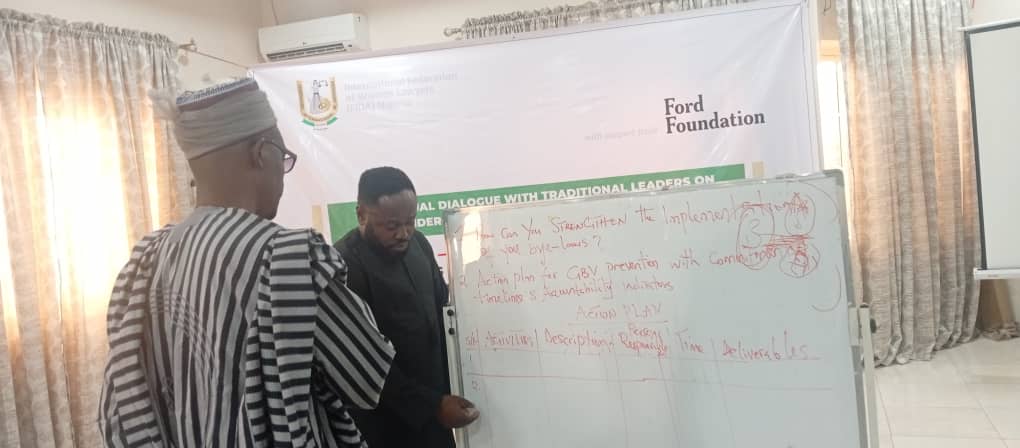
Moderator during the training
According to her, “In recent times, we have been advocating for a shift in approach. While pursuing punishment for perpetrators, we must not abandon the victim. There should be clear measures to ensure that survivors are properly supported. That is why we emphasize a victim-centered approach one that takes into account the survivor’s medical needs, psychosocial support, empowerment, and overall well-being.
“In the past, our laws were largely silent on the issue of compensation for victims. As a result, survivors often waited for their perpetrators to be punished, but there were no provisions for compensation or structured support.”
Touching on the legality of the matter, Fyaktu disclosed that “With the new legal provisions, particularly under the VAPP Law, there is now a framework for victim compensation. This represents a new approach to handling GBV cases ensuring that while justice is pursued, the victim’s welfare is also prioritized.”
The Victim Support Fund is primarily considered the responsibility of the state government; the fund is managed by the government and is dedicated to assisting victims of GBV.
It is intended to provide compensation and address their needs, including rehabilitation and other forms of support.

A cross section of participants at the training
The President reiterated that perpetrators could face additional responsibilities both legal punishment and financial obligations toward their victim while in jail through maybe labour to raised money for the sustainability of their victims.
“As I speak, the laws in Plateau State are undergoing review. We are hopeful that when the revised law is enacted, victim compensation will not rest solely on the state government or the Victim Support Fund. There is also the possibility of placing certain financial responsibilities on perpetrators themselves even while in jail, this could serve as an additional deterrent.
“Perpetrators may require legal processes, but victims require comprehensive support financial, psychological, medical, and empowerment assistance. Therefore, holding perpetrators financially accountable for the consequences of their actions would be a positive and practical step,” she suggested.
During the programme sponsored by Ford Foundation, the FIDA Nigeria, Senior Manager of Programs, Fiki Obaro maintained that Nigerian constitution must give serious attention to the survival of victims of gender-based violence where perpetrators are made to take care of their victims even while serving jail term.
“We often talk about laws that are not survivor-centered. Sir, you mentioned that part of the problem lies with the Nigerian Constitution and the way laws are implemented. You also spoke about the need to reconsider how bylaws are viewed and applied. Can you clarify what you mean?
“What we are saying is that many Nigerian laws, particularly in this context, are not survivor-centered and are not necessarily gender-responsive. In many cases, the laws provide a wide range of penalties for perpetrators of gender-based violence, but they remain largely silent on how survivors should be supported and managed.
“There is little emphasis on survivor services and welfare. Support systems are not adequately incorporated into our major laws.
“Although the reviewed Violence Against Persons (Prohibition) Act (VAPP) provides for compensation for victims of gender-based violence, that provision has not yet been fully operationalized. Ideally, governments should ensure compensation for victims, and court judgments should also consider how perpetrators can compensate survivors, whether through fines or other means.
“However, we have not seen full implementation of these provisions in practice. Our focus, therefore, is to advocate for more survivor-centered legislation laws that address the welfare and well-being of survivors and ensure their protection, rather than concentrating solely on punishing perpetrators.
“A legal framework that balances both accountability for offenders and support for survivors would significantly strengthen survivor protection and welfare,” he emphasised.
The engagement which has seven communities in attendance was expected to address the menace at the grassroots level where traditional rulers will be equipped to take charge of the innovative measures in handling survivors in the case of gender-based violence.
“For us, it has been a process. We began supporting the development of community bylaws over a year ago. Currently, about seven communities have developed such bylaws. At this stage, we are not necessarily reviewing them. Instead, we are focused on strengthening the capacity of these communities to effectively implement the bylaws.
“As implementation progresses, if there is a need for revisions based on specific local contexts and realities, we can then provide support for those reviews,” Obaro stated.