


…”Bill targets organisations providing assistance to vulnerable and conflict-affected communities”
By Dangwam Jude Dabee
The Catholic Bishops Conference of Nigeria (CBNC) has raised objections to the Foreign Aids Regulation, Transparency and Disclosure Bill 2026, which has passed through first and second readings in the country’s National Assembly.
The Bishops speaking on Religious Liberty in the country while acknowledging that provisions requiring registration and supervision of foreign aid resources may appear reasonable but argued that the proposed legislation could have unintended consequences for churches, mosques, schools and humanitarian organisations providing assistance to vulnerable and conflict-affected communities.
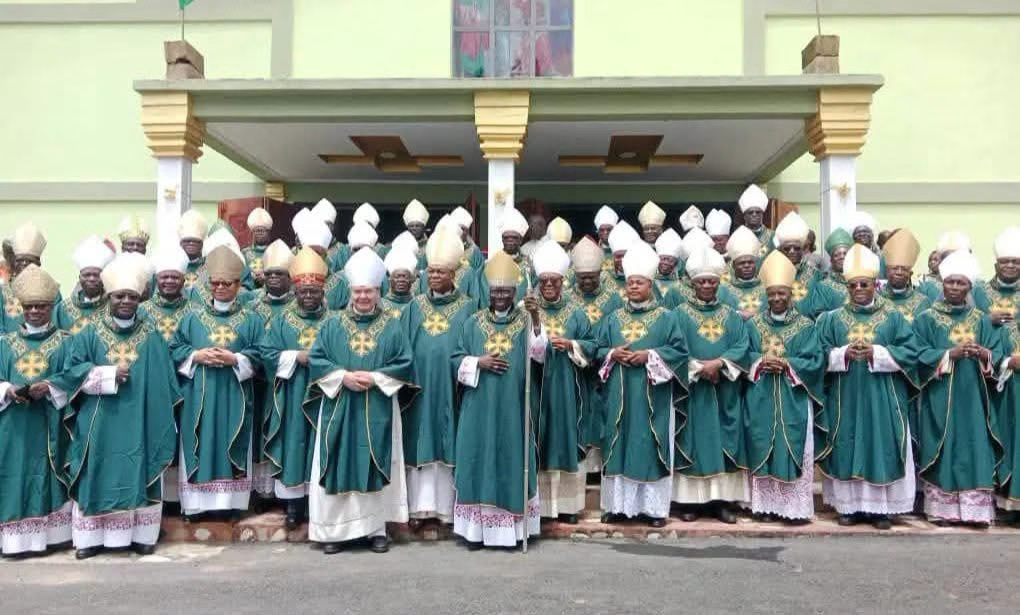
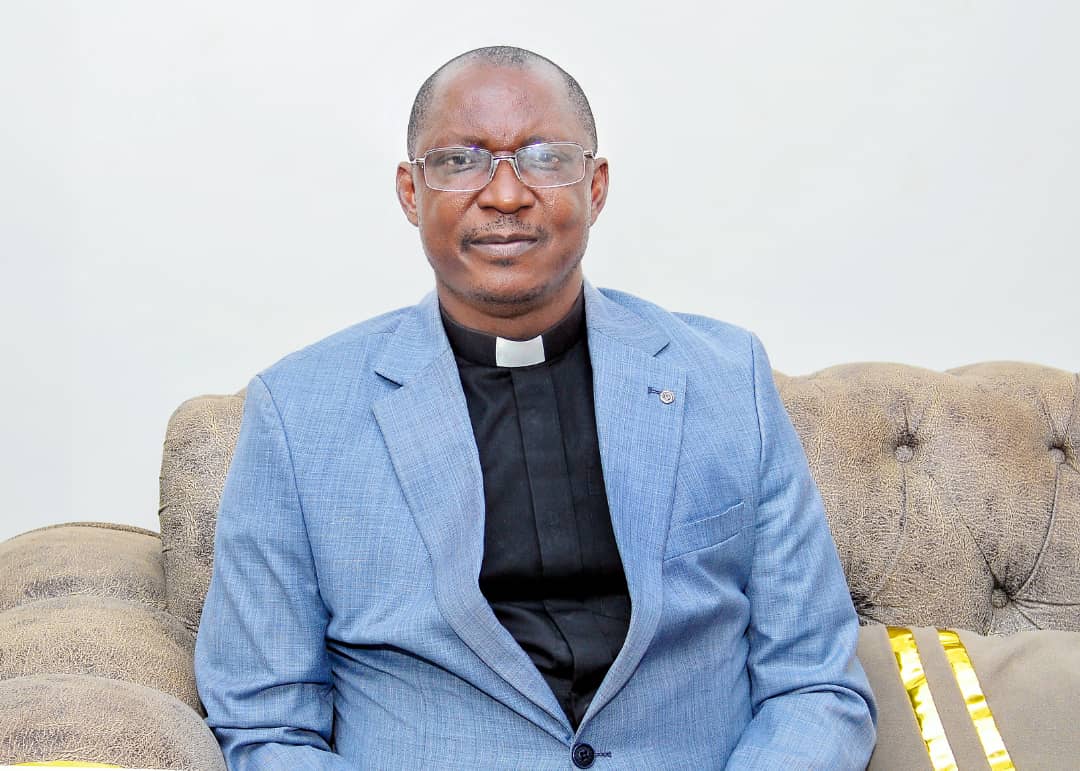
The Bishops made this position known in a communiqué signed by Archbishop Matthew Man-Oso Ndagoso of Kaduna, President of the CBCN, and Bishop Peter Olukayode Odetoyinbo of Abeokuta Diocese, Secretary of the Conference issued at the end of their Second Plenary Meeting for 2026, held from September 10 to 18 at the Our Lady and St. Kizito Pastoral Centre, Oke-Gada, Ede, in Osogbo Diocese, Osun State.
Foreign Aids Regulation, Transparency and Disclosure Bill not in “national interest.”
They pointed provisions that could allow authorities to deny registration or refused the renewal where an organisation’s activities are considered not to be “in the national interest.”
The Bishops argued that such provisions could confer broader discretionary powers on government officials and create an additional bureaucratic layer.
They noted that non-profit organisations, Incorporated Trustees, religious institutions and humanitarian groups are already regulated under existing legal frameworks, including the Corporate Affairs Commission under the Companies and Allied Matters Act.
“We, therefore request the National Assembly and the federal government of Nigeria not to proceed with the processes of making this Bill into law,” the Bishops stated
They reiterated concerns about freedom of association, freedom of religion, thought and conscience, as well as the wider development of Nigerian society.
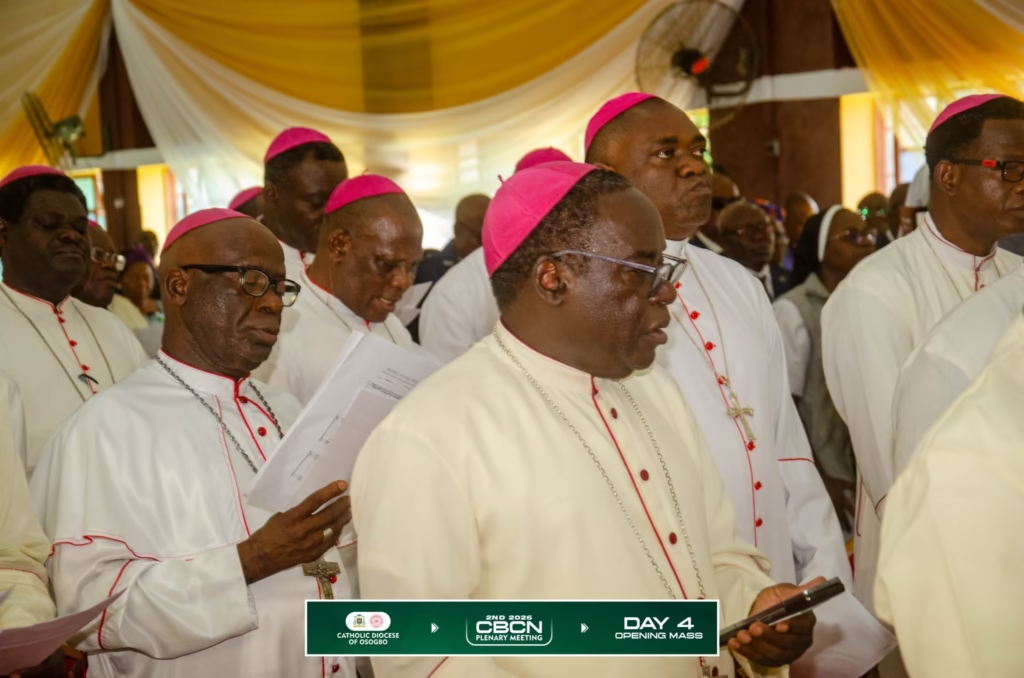
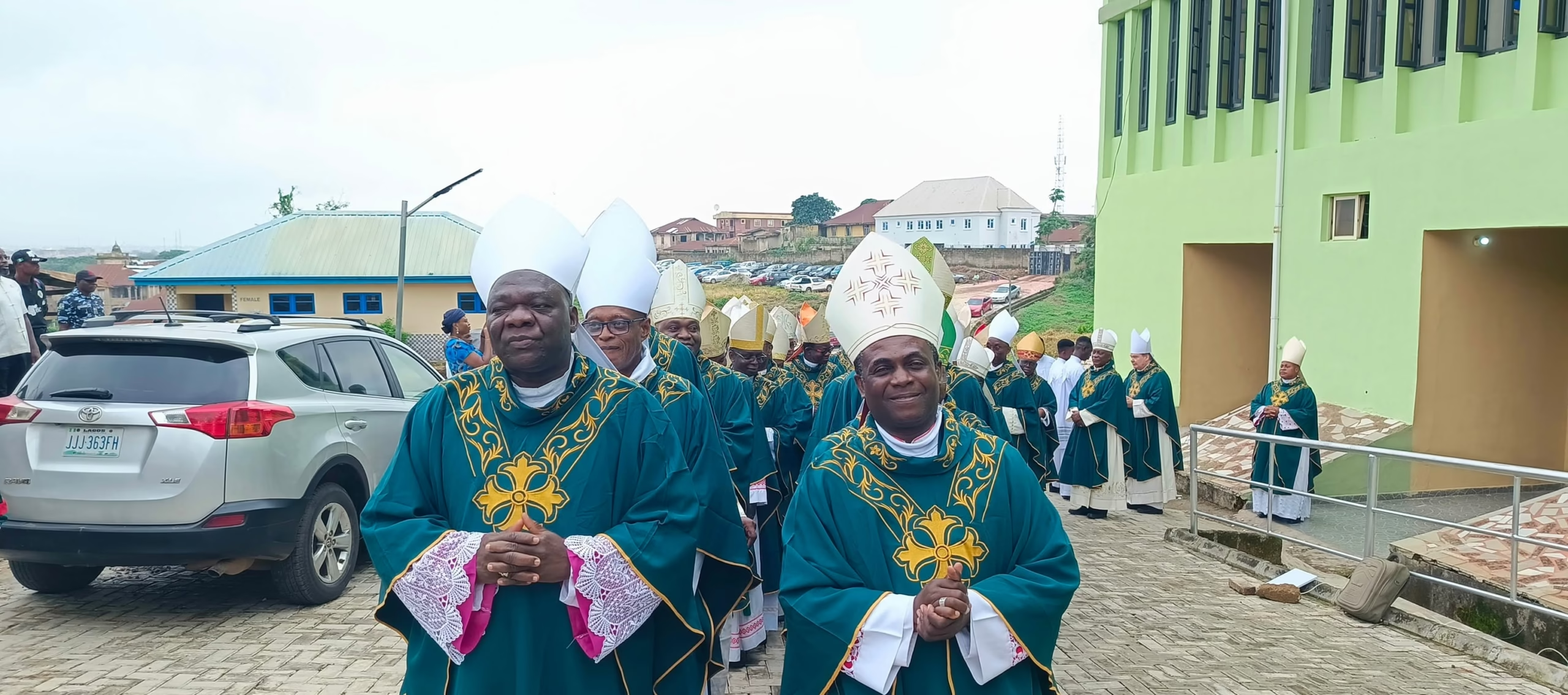
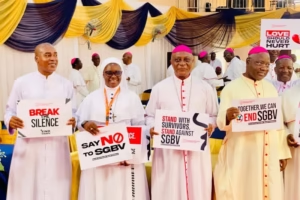
The Bishops during a liturgical function at the plenary. Credit: Catholic Diocese of Osogbo.
Education as an investment in peace
The communiqué described quality education as a necessary instrument for human development and the peaceful integration of Nigeria’s diverse peoples and cultures.
The Bishops reaffirmed the Catholic Church’s long-standing involvement in education and said the Church remained prepared to collaborate with government in providing quality education.
They, however, urged governments to embrace their constitutional responsibility to fund education, stressing the right of children to education, particularly at the primary and secondary levels.
The CBCN also called for policies capable of strengthening human development and improving the nation’s capacity to build a peaceful and productive society.
The Bishops’ said Nigeria faces serious challenges in achieving national integration but however rejected the notion that the country’s difficulties make positive change impossible.
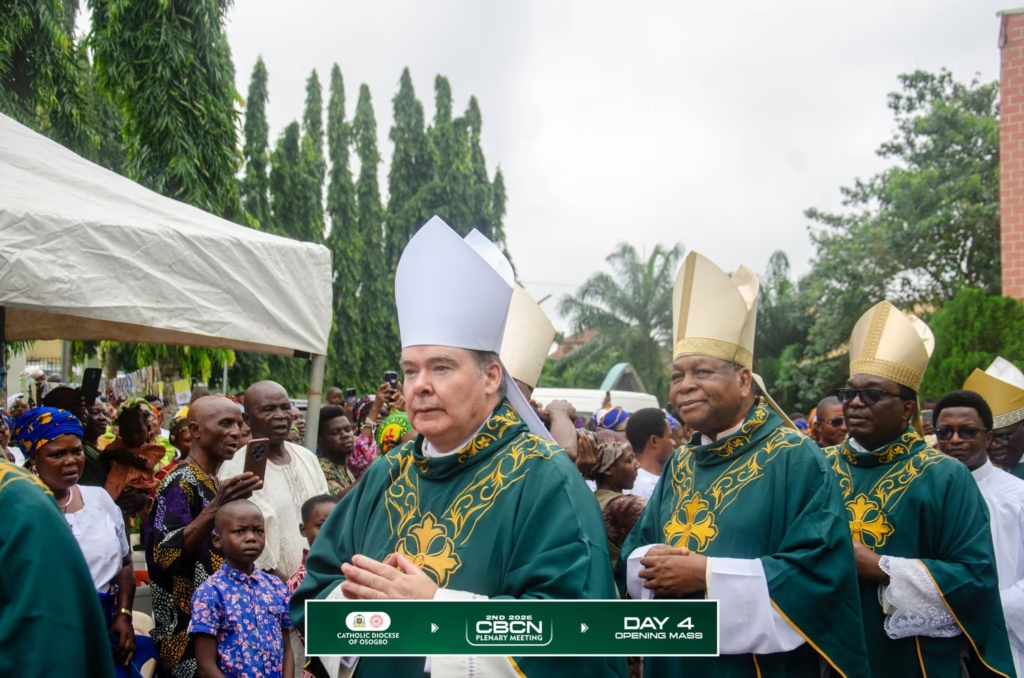
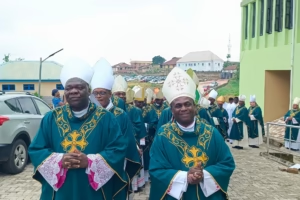
Apostolic Nuncio to Nigeria, Archbishop Michael Crotty, John Cardinal Onaiyekan and Catholic Bishop of Osogbo Diocese and host, Most Rev. John Ayejola processing for Mass.
“Hope is not lost”
“Nigeria has its challenges of achieving national integration. But all hope is not lost,” they said with optimism.
They called for “a renewed politics” focused on moral principles, the promotion of human life and dignity, and the pursuit of the common good.
The Bishops called on Nigerians to recognise that meaningful national renewal can begin in homes, workplaces, churches, communities and other everyday spaces.
“Every positive change at home, at work, or in our community makes the world a better place,” they stated.
They appealed to the political class to avoid division among citizens but ensure that Nigerians work together to build a country where “security protects life, education opens opportunities, infrastructure serves communities, technology advances human welfare, and public institutions respect fundamental freedoms.”
The Bishops’ emphasized that as election year draw closer it is not just a simple contest for political power, but as a test of how Nigeria values the dignity and future of the people who make up the nation.