



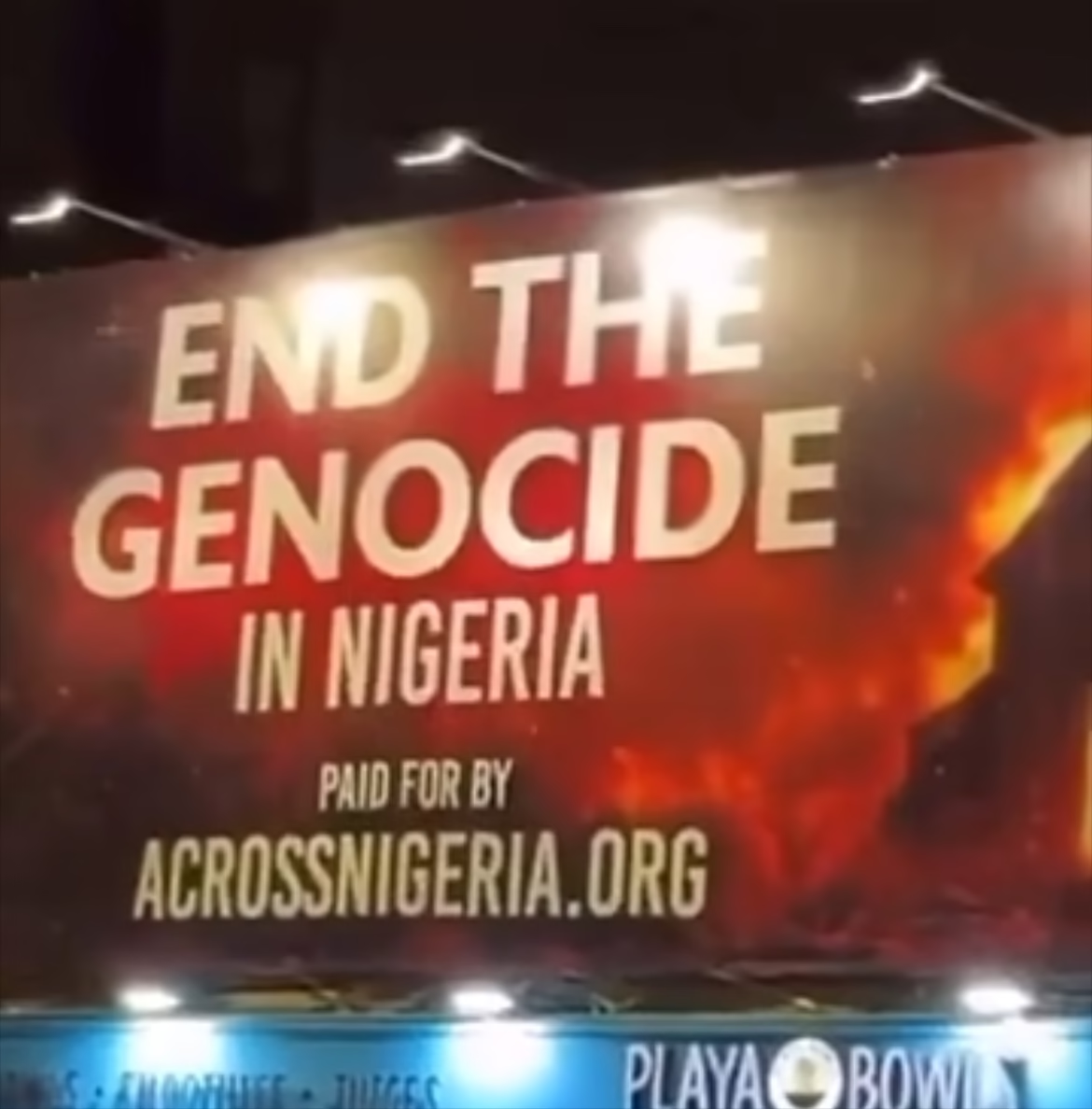
A gigantic digital billboard screen in New York City’s Times Square with the inscription, “End the Genocide in Nigeria,” has drawn the attention of the world to the incessant killing of Christians in Nigeria, a reality the government has consistently denied.
Although the Nigerian government has consistently rejected claims of state-sponsored genocide or systematic persecution of Christians, Advocatus Africa gathered that the billboard is a global signature statement seemingly indicting the authorities in Abuja.
The campaign aims to draw international attention to alleged mass killings and the persecution of Christians in the most populous black nation on earth.
Pushback by the Nigerian government despite the incessant genocide
Despite a pushback by authorities in the West African nation who argue that security challenges in Nigeria affect citizens of all faiths, the historic gigantic billboard aspires to influence global policy, calling for action against what activists label a “silent genocide.”
Part of a larger campaign that is funded in part by organisations like “Across Nigeria,” the billboard is founded by Brad Brandon.
To further downplay and change the narrative, top government officials within President Bola Ahmed Tinubu’s cabinet have reportedly tried to pay lobbyists in the US Congress to suppress the ongoing genocide against Christian communities across the Southern Kaduna axis, as well as Plateau and Benue States, by paying a $9 million lobbying contract with the Washington-based DCI Group.
The move is part of an effort to sway U.S. government opinion following threats from the Trump administration to address security threats against Christians in Nigeria.
The billboard campaign highlights the killing of thousands of Christians by militant groups
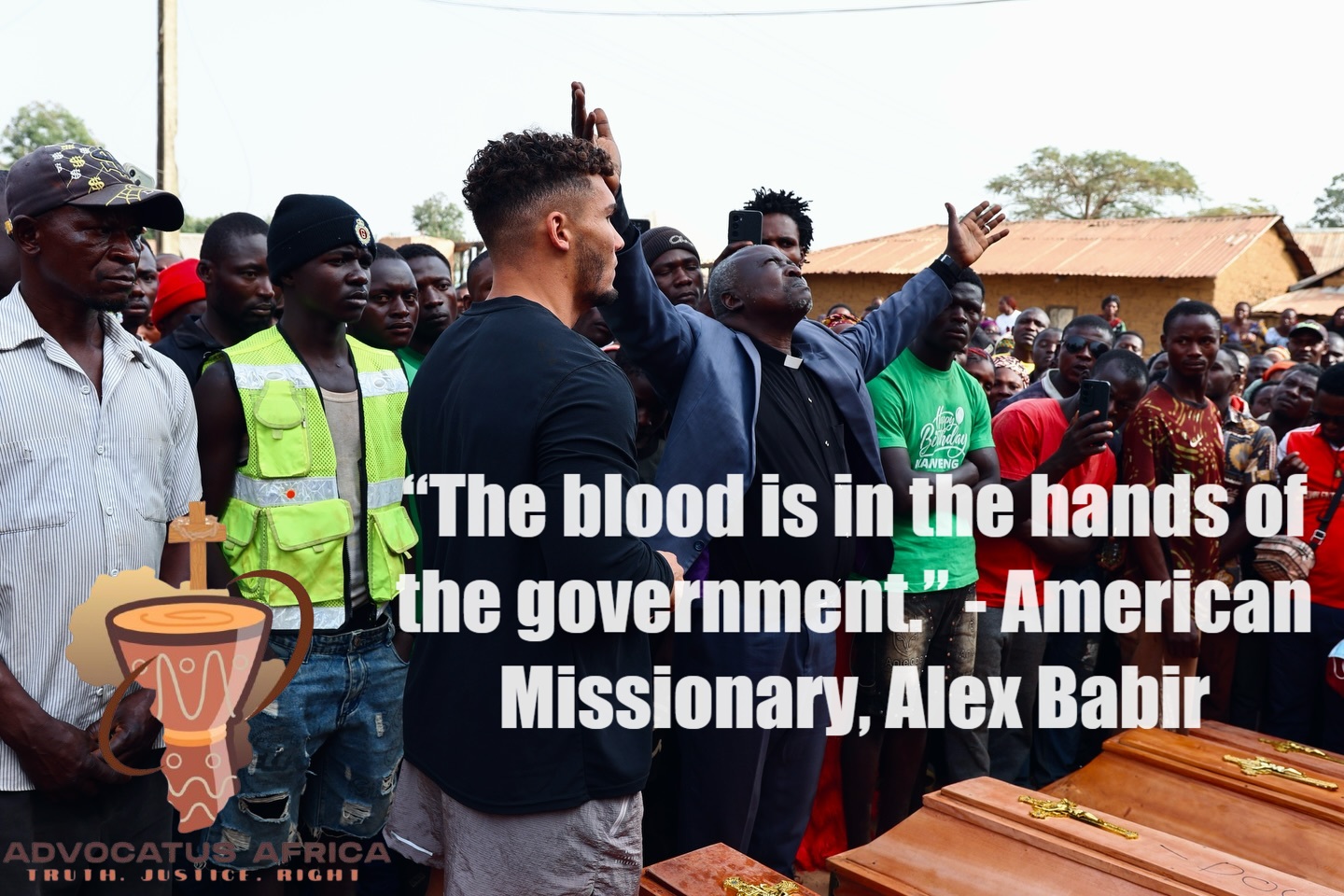
The billboard campaign underlines the killing of thousands of Christians by militant groups, including Fulani militias and Boko Haram.
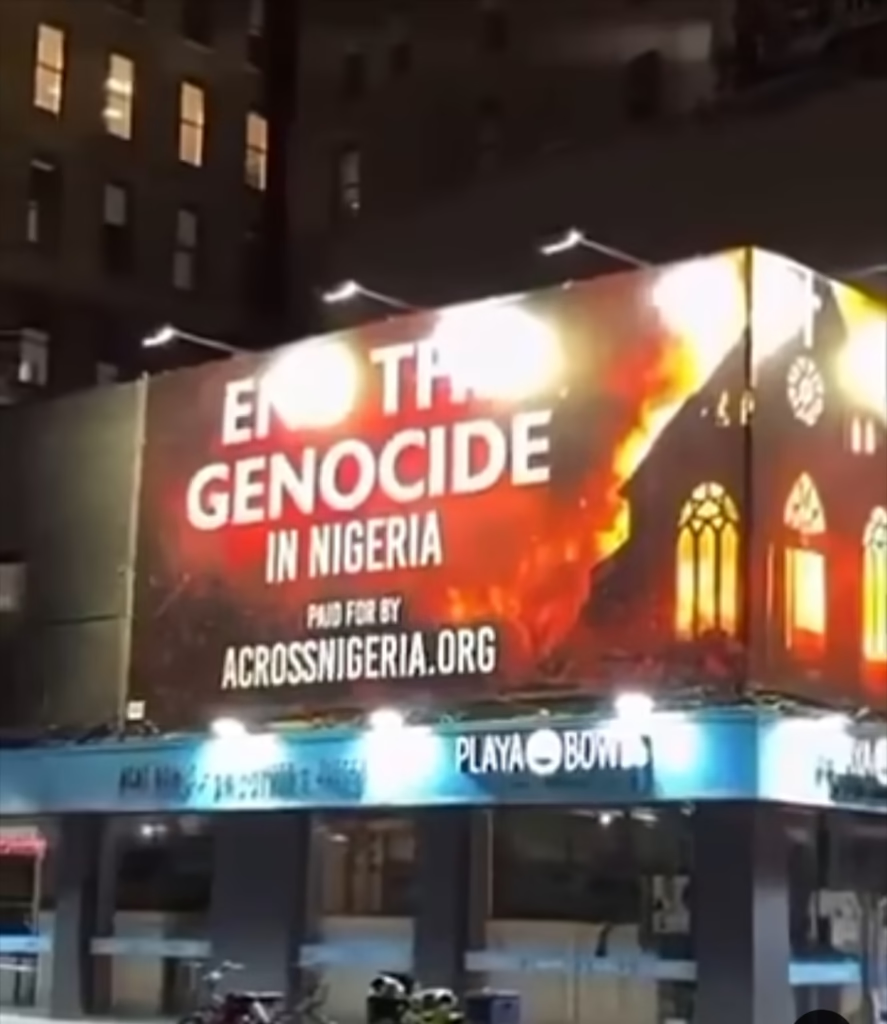
The gigantic digital billboard screen in New York City’s Times Square.
Both Nigerians, especially in the nation’s Middle Belt Region, and Evangelicals who are Donald Trump’s fan base and Congressmen like Riley Moore, allege that the Nigerian government has failed to protect vulnerable populations, with some supporters of the campaign accusing the administration of complicity, inaction, or both.
By placing the billboard in Times Square, campaigners intend to inform a global audience and pressure the US government and other nations to take diplomatic or military action against Nigerian authorities to end the violence.
The campaign asserts that the violence is not merely criminal but a coordinated, identity-based assault on Christians, particularly in the northern part of the country.
The billboard often shows images of burnt churches, matching a campaign highlighting violence in Nigeria between 2025 and 2026.
Harm and Intent: Complex nature of genocidal claims
Because it usually occurs due to a combination of deep-seated societal, political, and economic factors, genocide is a complex crime that rarely happens as a result of a single cause.
Broadly, scholars and international organisations, such as the United Nations indicate that proving genocide is legally difficult because it requires demonstrating two elements.
The 1948 Genocide Convention defines these two elements as physical harm and specific intent to destroy a group as a requirement for mass killings to be designated as genocide.
Analysts have pointed to consistent and persistent acts of arson, abductions, torture, mass murders, and gruesome killing in the cold of harmless and innocent people, including women and children across the Middle Belt region, as the actual committing of the first element – physical acts of genocide against Christians in Nigeria.
Commentators also argue that the Muslim identity of the terrorists and their chants “Aluwakbar” Allah is great in Arabic, the testimony of victims that the perpetrators are Fulani Ethnic Militia (FEM) and the targeting of victims because they are Christians, aptly demonstrate a specific mental state to destroy a group because of its identity.
Under international law, this second element – “special intent” (dolus specialis), fulfilling the specific intention to destroy a protected group in whole or in part, is often difficult to prove.
This “intent” requirement is the highest evidentiary threshold in international criminal law, distinguishing genocide from war crimes or crimes against humanity.
In the coming days, it is to be seen if this “End the genocide in Nigeria” billboard in Times Square would draw the attention of Washington to put pressure on Abuja to protect the lives and livelihoods of the most vulnerable groups in the oil-rich nation in accordance with natural and international laws.