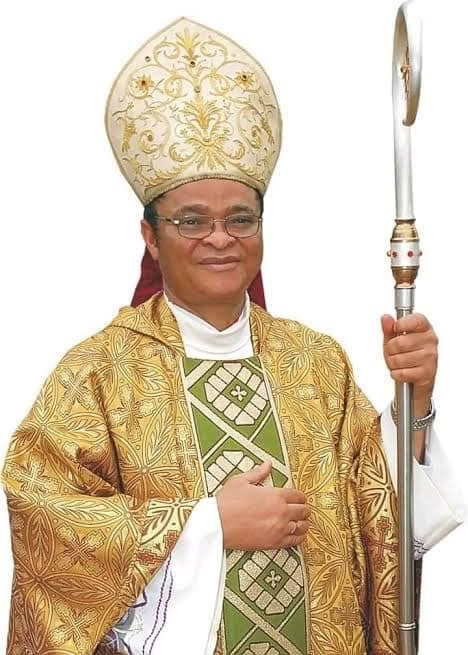


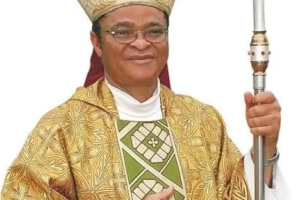
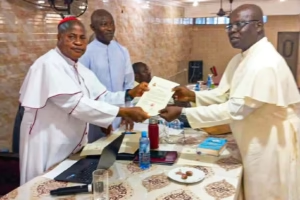
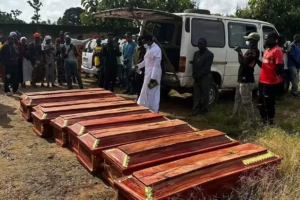


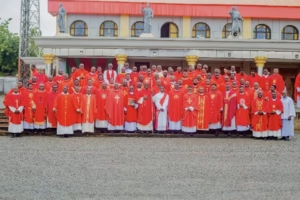

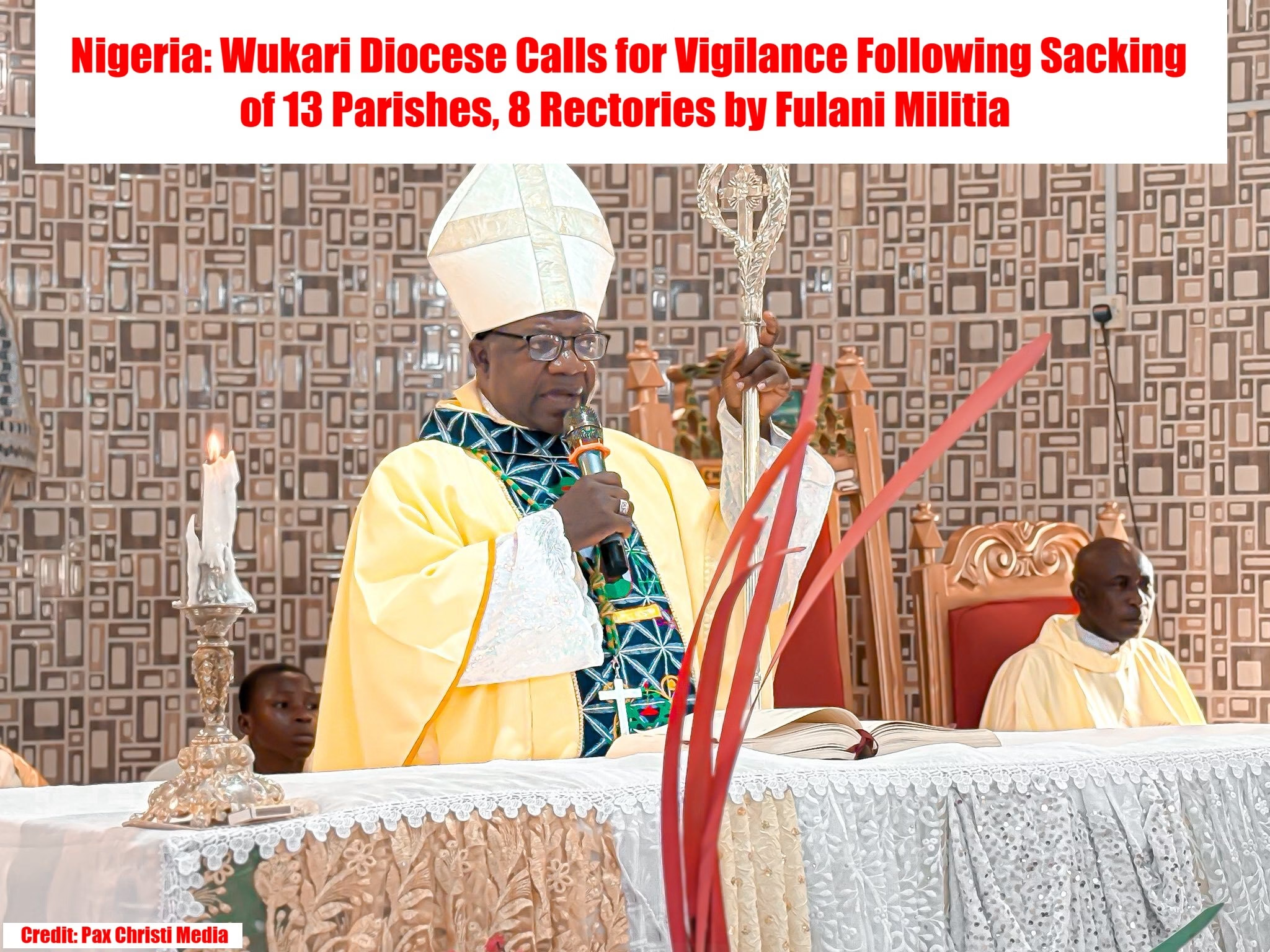
The Catholic Bishop of Wukari Diocese, Most Rev. Dr. Mark Maigida Nzukwein, has urged his deans, other priests and consecrated persons in violent-pronged areas across Southern Taraba, “to sensitise their people and take all necessary precautionary measures to stay safe.”
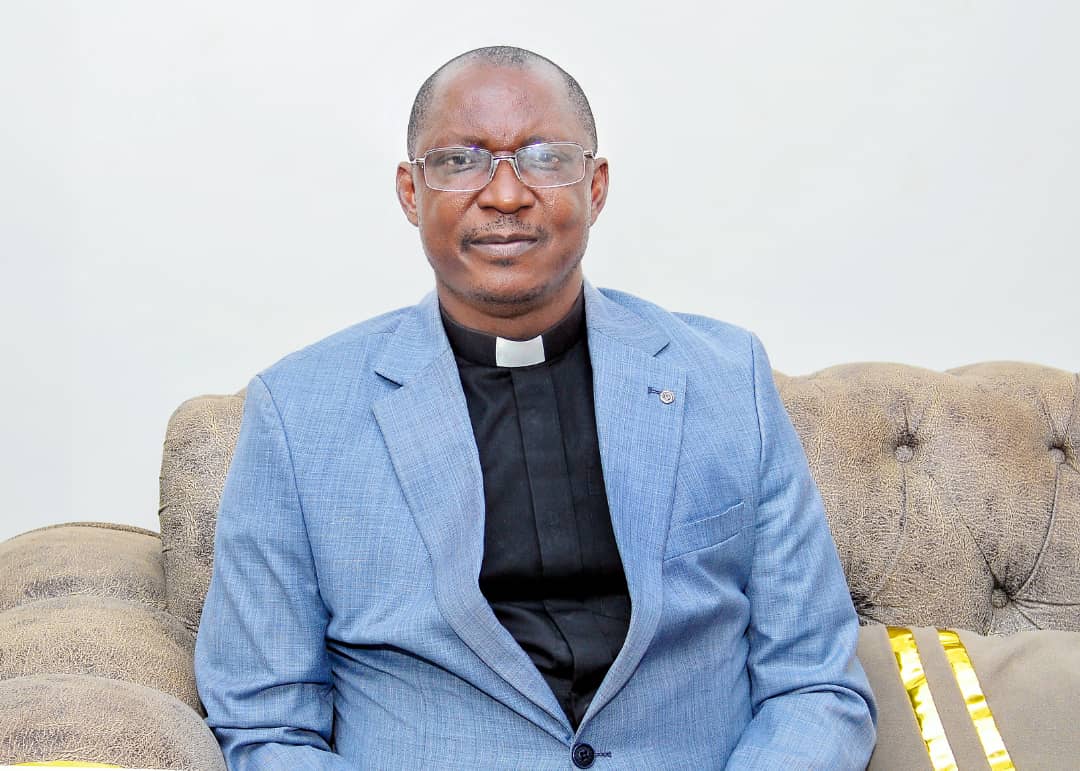
This call is contained in a statement signed by the Vicar Administration and Chairman, Peace Committee of the Diocese, Very Rev. Fr. Prof. Anthony Bature.

Most Rev. Dr. Mark Maigida Nzukwein defies daunting security challenges; leads the Palm Sunday Procession. Credit: Greatness Real
“Deans should particularly reach out to security agencies in their jurisdictions and draw their attention to these pending attacks to beef up security to avert the looming humanitarian disaster,” the statement noted.
With the message, “Let us be united in prayers for peace in our diocese,” the Bishop recalled “a video clip circulating on social media originating from an organisation, ‘Equipping the Persecuted'” in which the Executive Director, Judd Saul “warned of an imminent attack from March 23, 2026 by the Fulani Ethnic Militain in Takum, Chanchanji and Tor Damisa ward of Donga Local Government among other places.”
The Church regretted that “such an attack was already pre-empted in Chanchanji from March 21-22, 2026, but the terrorists were repelled by the military.”
In part, the statement underlined that “more and more of these terrorists are regrouping in many places around Takum Local Government Area in places like New Gboko and others and in Donga Local Government Area along Donga River and Ananum.”
The diocesan authorities cautioned that “The news of these attacks is deepening the fear and anxiety of the people, leading to their mass exodus to unknown destinations without hope in sight,” and urged urgent steps to mitigate these attacks.

Meanwhile, the diocesan Pax Christi Media equally decried that the young diocese is losing more Churches and priests’ residences as Fulani ethnic militia continue to attack the region.
Information available to Advocatus Africa indicates that “since the resurgence of the attacks, 8 priests’ residences have either been vandalized or destroyed in Demevar, New Gboko, Ansua, Atav, Usoh, Adu, Ukande and Afogba in Takum and Donga Local Government Areas.”
According to the information, “over one hundred and fifty Churches have been destroyed across 13 Parishes and Pastoral Areas of the Diocese.”
These include Holy Family Parish, Takum; St. Peter’s Pastoral Area, New Gboko; St. Peter’s Parish, Amadu; St. Joseph’s Pastoral Area, Demevar; St. Jude’s Pastoral Area, Ansua; St. James the Great Parish, Adu; St. Augustine’s Pastoral Area, Usoh and St. Stephen’s Pastoral Area, Ukande.
Other affected Churches include St. Peter’s Pastoral Area, Tor Damisa; St. John the Baptist Pastoral Area, Afogba; St. John the Apostle Parish, Geraga, Our Lady of Mount Carmel Parish, Chanchanji and St. Mary’s Pastoral Area, Atav.
Pax Christi Media highlights that “the most recent of these destructions happened in Atav and Adu, a few weeks after the visit of the Governor of Taraba State, Agbu Kefas and his Benue State counterpart, Fr. Hycinth Alia, to Abako and Chanchanji.”

His Excellency, Hyacinth Alia, Governor of Benue State (2nd L), alongside His Excellency, Agbu Kefas, Governor of Taraba State, with traditional rulers, Aku Uka (1st L) and Tor Tiv, during the 2nd March Peace Mission. Credit: Ezekiel Oralu Ezekiel.
It disclosed that during the visit, Governor Kefas “promised to stop the killings and destruction in the areas, and he also assured the people of the security of their lives and property,” but lamented that “unfortunately, the Fulani Ethnic Militia has continued its attacks and destruction with impunity.”
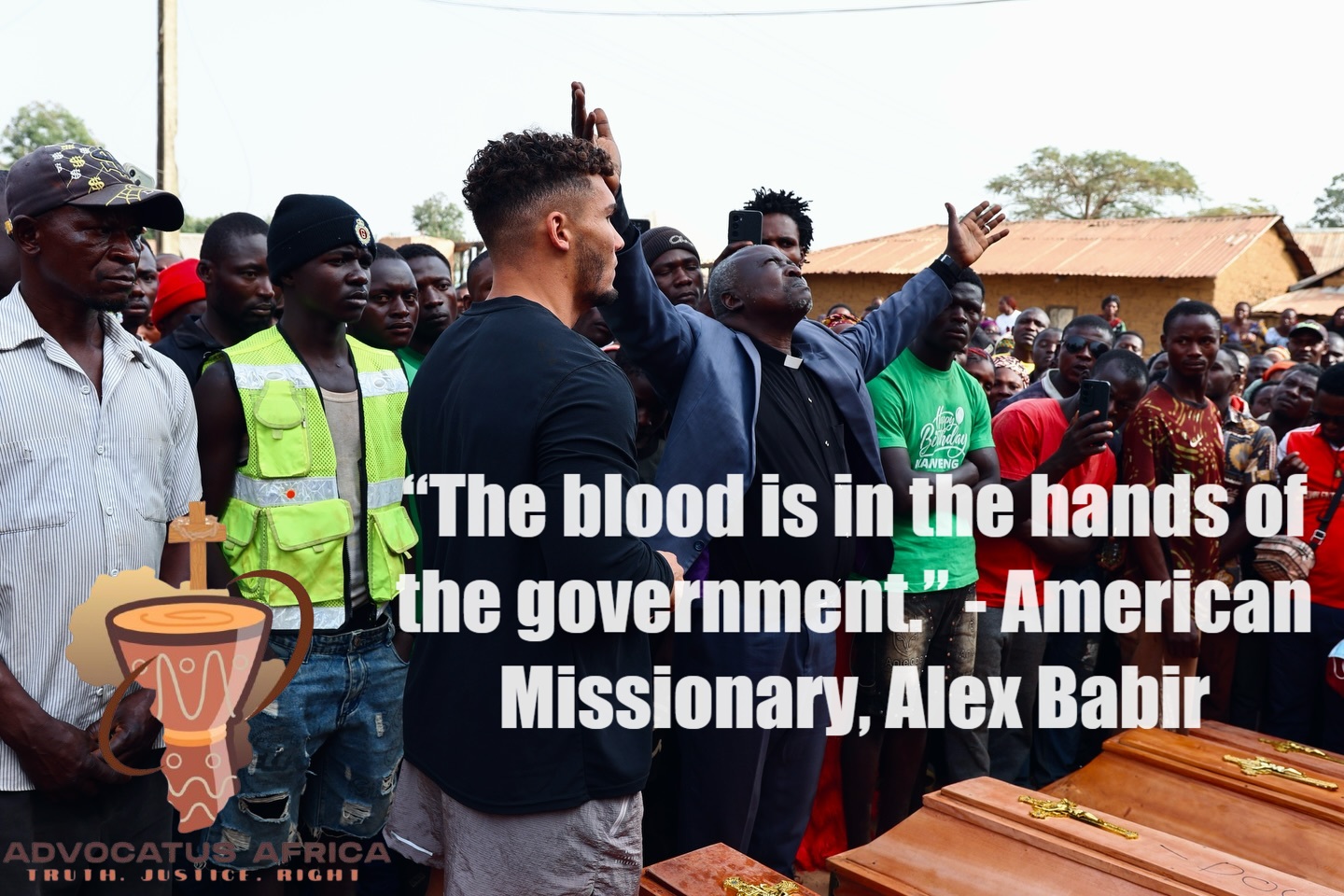
Hundreds have been killed, with dozens displaced from several communities across Southern Taraba in renewed violence that started since September 2025.
Traditional rulers, Civil Society Organisations (CSOs), and religious leaders are calling on the security agencies and civil authorities to expedite action at all levels to bring the bloodbath to an end and return displaced persons to their homesteads.