




By Elizabeth Ameh, Maiduguri
The Yobe State Government has lauded the United Nations International Children’s Emergency Fund (UNICEF) for its efforts in reducing malnutrition prevalence in the state over the past two years.
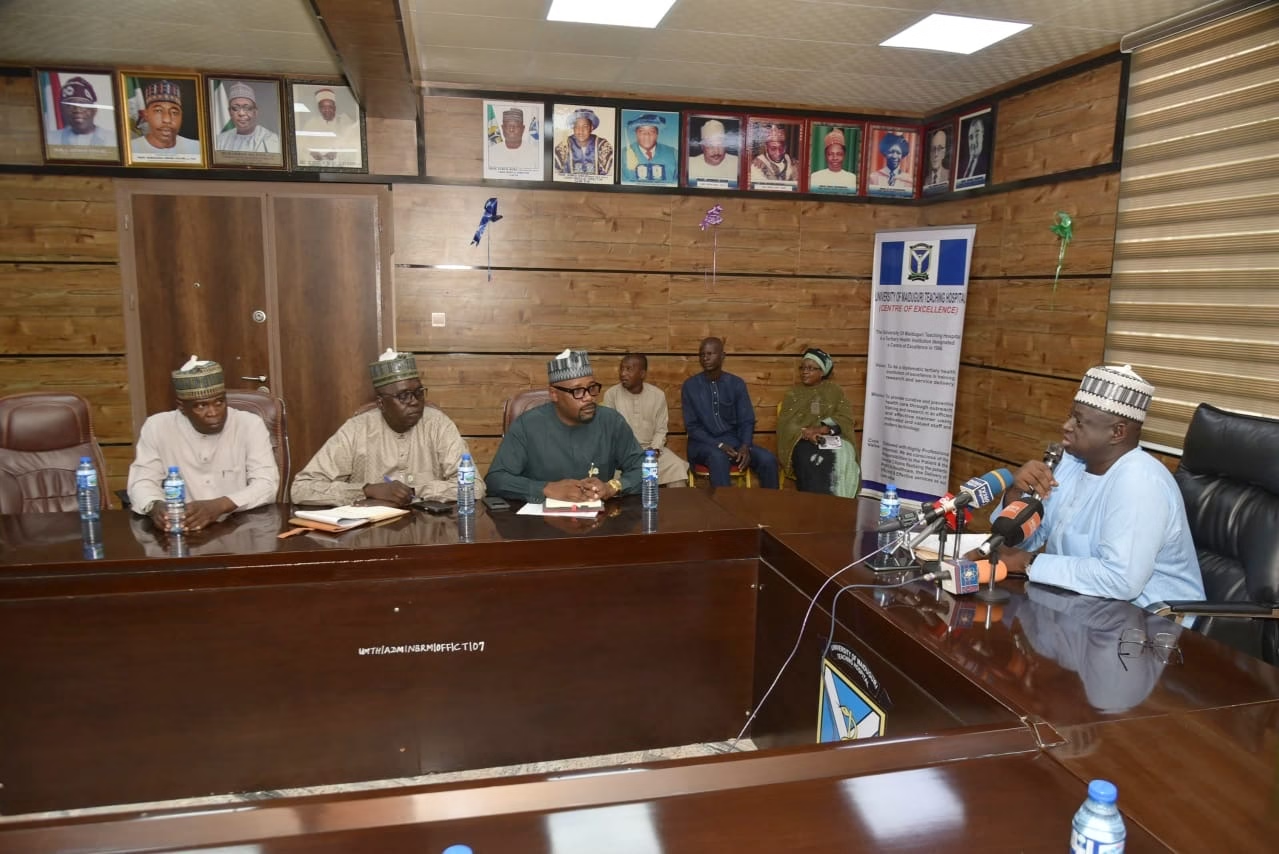
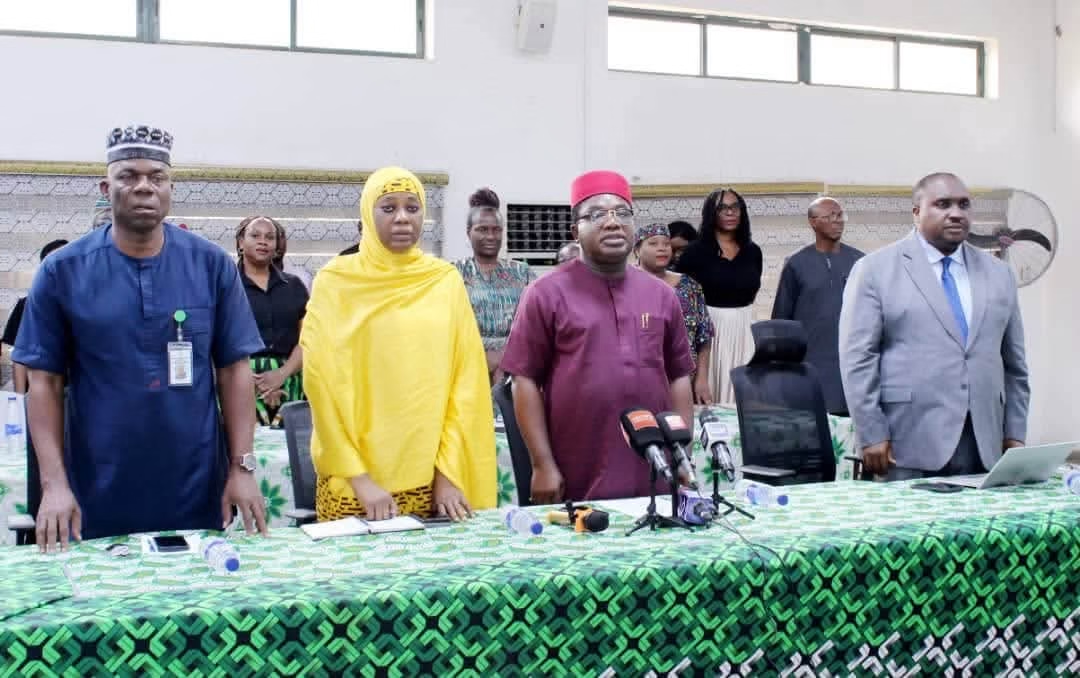
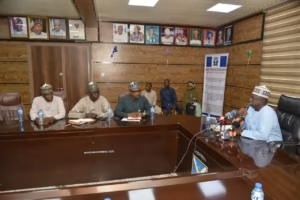
Executive Secretary of the Yobe State Primary Health Care Board, Dr. Babagana Kundi Machina, disclosed this at a media dialogue on the impact of the European Union Humanitarian Aid-funded Nutrition Intervention in Northeast Nigeria, held in Damaturu, the state capital.
According to Dr. Machina, the situation was severe in 2021, with high rates of malnutrition recorded in several local government areas.

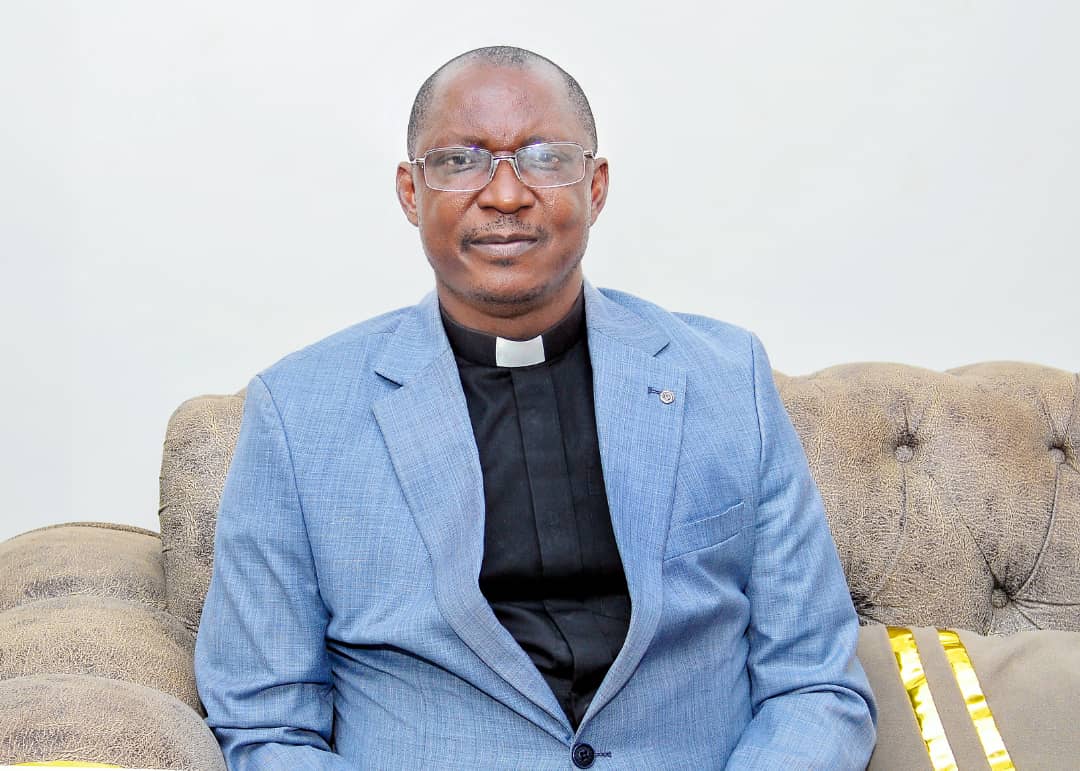
Dr. Babagana Kundi Machina, Executive Secretary of the Yobe State Primary Health Care Board
He, however, disclosed that following collaboration between the government and partners, interventions were implemented to address the issue.
“We began by identifying local governments with the highest malnutrition severity and targeted interventions accordingly. As a result, we have achieved a significant reduction in acute malnutrition prevalence, with over four-point decline in the last two years alone,” he said.
Dr. Machina explained that malnutrition is a complex issue, driven by factors such as low agricultural production, food scarcity, and climate challenges.
The local government areas most affected are Gujba, Geidam, and Gulani, where these factors are more pronounced.
“Malnutrition is one of the childhood killers, affecting not only physical development but also cognitive development…children may survive, but their productivity is often severely impaired,” Machina stated.
UNICEF’s Malnutrition Manager, Mr. Joseph Senesie, revealed that EU-funded nutrition interventions have supported over 40,000 malnourished children in Yobe State, providing critical treatment during lean seasons.
He noted that the May-to-September period typically sees a surge in acute malnutrition among children.
Senesie expressed optimism that 2026 will see lower malnutrition levels, crediting EU humanitarian support, especially from the European Civil Protection and Humanitarian Aid Operations.
“The funding enabled procurement of Ready-to-Use Therapeutic Food, facilitating rapid recovery for treated children and helping them regain healthy lives,” Senesie said.
Hajiya Hadiza Adamu, Yobe State Nutrition Officer, stated that “the state has been fighting severe acute malnutrition since 2016, with cases dropping from 14% to 8% in 2022. Currently, the state is at 10.9%, which is still a serious level.”

Hajiya Hadiza Adamu, Yobe State Nutrition Officer
She added that the state aims to reach phase 2 classification by the end of 2026 with the ongoing interventions.
At Gwange Outpatient Centre, a Community Health Extension Worker explained that children are screened for Severe Acute Malnutrition, Moderate Acute Malnutrition, or normal cases, and provided with appropriate treatment or referrals. Those with medical complications are referred to the stabilisation center.

Journalists on a tour of nutrition facility centers
Journalists were taken on a tour of nutrition facility centers, including the central store where Ready-to-Use Therapeutic Food worth $200,000 is kept, funded by UNICEF and the Yobe State Government under the Child Nutrition Fund.
Mrs. Folashade Adebayo, UNICEF Communication Officer, guided journalists on reporting nutrition, best practices, and brainstorming story ideas.